
 25 secondsm
Rare Animals You Can Spot in Tanzania Safaris
Tanzania is globally celebrated for its iconic wildlife lions, elephants, and va…
Read

Few wildlife destinations on Earth rival the predator drama of Serengeti National Park. Spanning vast golden savannahs, acacia-dotted plains, riverine forests, and rocky outcrops known as kopjes, the Serengeti is one of the greatest ecosystems on the planet. Here, the balance between predator and prey unfolds daily, creating one of the most spectacular wildlife theaters in Africa.
Among the Serengeti’s most iconic residents are the big cats lions, leopards, and cheetahs. These powerful predators dominate the food chain and play a critical role in maintaining the park’s ecological health. For safari travelers, witnessing these magnificent hunters in their natural environment is often the highlight of a Tanzanian safari.
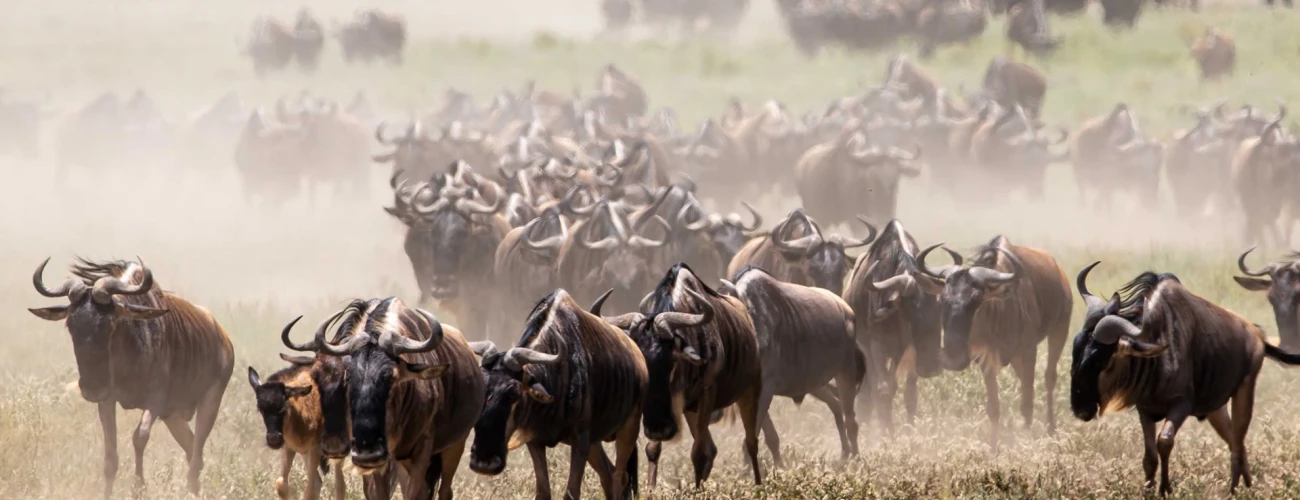
The Serengeti’s extraordinary predator density is no accident. The park hosts millions of grazing animals, including wildebeest, zebras, gazelles, and buffalo. This abundance of prey supports one of the largest populations of big cats in Africa.
The seasonal movement of herbivores particularly the world-famous migration ensures that predators always have opportunities to hunt. From the short grass plains in the south to the river valleys and woodlands in the central and northern regions, each habitat provides ideal hunting grounds for different big cat species.
The result is an ecosystem where visitors frequently witness thrilling encounters: stalking lions in the tall grass, elusive leopards resting in acacia trees, and cheetahs sprinting across the open plains in pursuit of antelope.
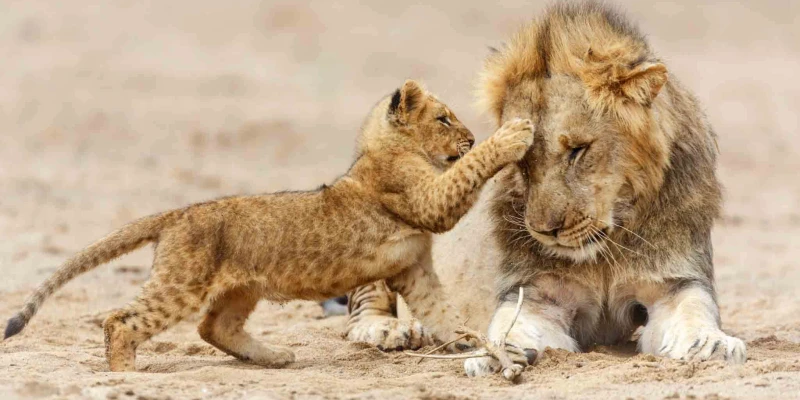
No animal symbolizes the African safari more than the lion, and the Serengeti is widely considered one of the best places in the world to see them. The park supports one of the largest lion populations in Africa, with prides occupying territories throughout the ecosystem.
Lions are social predators that live in organized prides typically consisting of related females, cubs, and a coalition of males. Their cooperative hunting strategy allows them to take down large prey such as wildebeest, zebras, and even buffalo.
Visitors often encounter lions in several classic Serengeti settings:
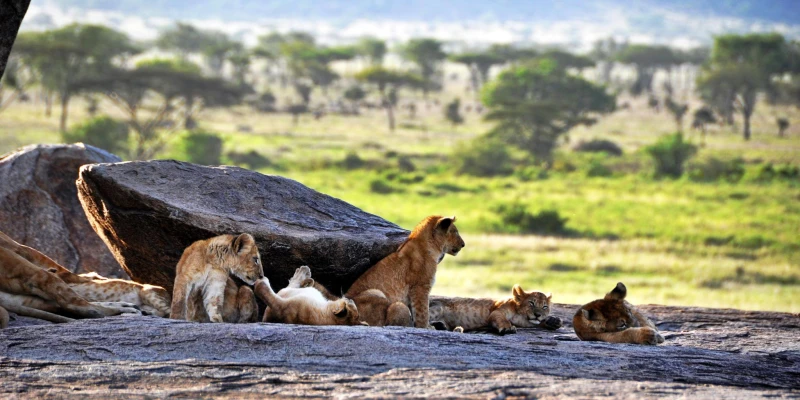
Resting on rocky kopjes where they survey the surrounding plains
Sleeping under acacia trees during the heat of the day
Stalking prey in the golden grasslands at dawn or dusk
The kopjes of central Serengeti are particularly famous for lion sightings. These ancient granite formations provide both shade and strategic vantage points for predators.

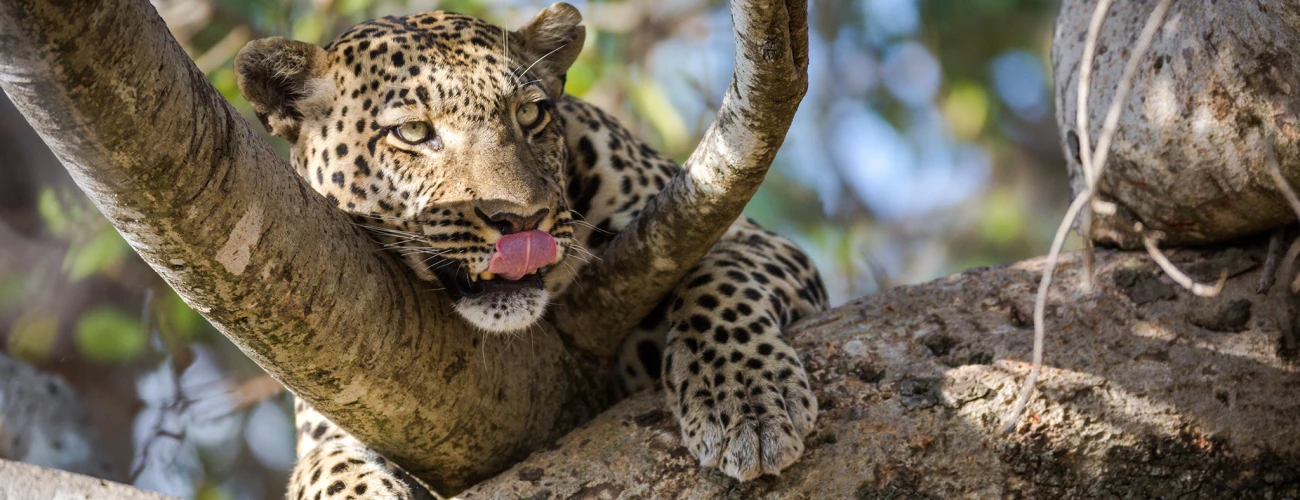
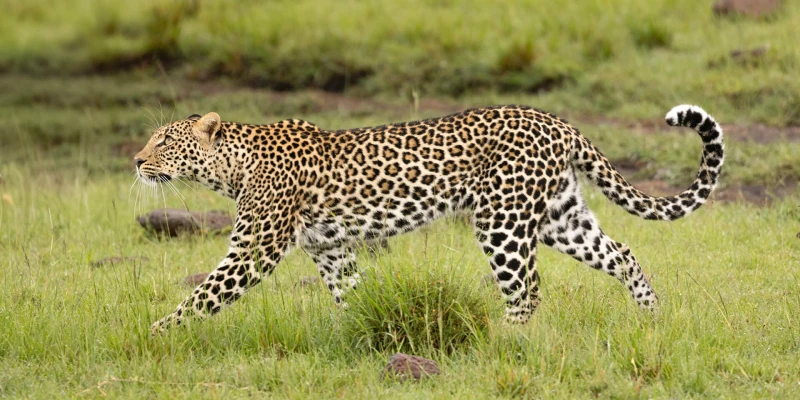
While lions dominate the open plains, the leopard is the Serengeti’s most secretive predator. Solitary and highly adaptable, leopards prefer wooded areas and riverine forests where dense vegetation provides cover for ambush hunting.
In the Serengeti, leopards are frequently seen along river systems such as the Seronera River. These areas provide both water and abundant prey, including impalas, monkeys, and small antelope.
Leopards are exceptional climbers and are often spotted resting on tree branches. They use trees not only as a vantage point but also as a safe place to store their kills away from scavengers like hyenas and lions.
Because of their solitary nature and remarkable camouflage, spotting a leopard requires patience and the keen eyes of an experienced safari guide. When seen, however, the encounter is unforgettable.

The cheetah represents elegance and speed in the Serengeti. Built for acceleration rather than power, the cheetah is the fastest land animal, capable of reaching speeds of over 100 km per hour during short bursts while chasing prey.
Unlike lions and leopards, cheetahs prefer open grasslands where their speed provides a clear advantage. The southern plains of the Serengeti particularly near the Ndutu Region are renowned for cheetah sightings.
Cheetahs typically hunt smaller antelope such as Thomson’s gazelles. Their hunting strategy involves:
Carefully stalking prey from a distance
Approaching slowly to avoid detection
Launching a high-speed chase lasting only a few seconds
Because their slim build makes them less powerful than other predators, cheetahs often lose their kills to lions or hyenas. As a result, they rely on speed and timing to secure meals quickly.

Lions, leopards, and cheetahs are more than just iconic safari animals they are essential to the ecological balance of the Serengeti.
By hunting weaker or older animals, predators help maintain healthy herbivore populations. This natural selection strengthens prey species and prevents overgrazing of the landscape.
The presence of these predators also shapes animal behavior. Herds move strategically to avoid danger, creating the dynamic migration patterns that make the Serengeti so unique.
Certain regions of the Serengeti offer particularly strong opportunities for big cat encounters.
Central Serengeti (Seronera Valley)
A year-round wildlife hotspot with excellent lion and leopard sightings due to permanent water sources.
Southern Serengeti & Ndutu Plains
Best known for cheetah sightings and dramatic predator action during the wildebeest calving season.
Western Corridor
Home to river crossings and strong lion populations along the Grumeti River.
Northern Serengeti
A spectacular area for predator activity during the migration river crossings later in the year.

Big cats can be seen throughout the year in the Serengeti, but some periods offer exceptional viewing opportunities.
January – March: Calving season in the southern plains attracts intense predator activity.
June – October: Dry season concentrates wildlife near water sources, improving visibility.
July – September: Migration movements create dramatic hunting scenes.
Regardless of the season, skilled guides and patience often lead to remarkable sightings.

Watching a lion pride on a kopje, spotting a leopard draped across an acacia branch, or witnessing a cheetah sprint across the savannah are moments that define a true African safari. The Serengeti offers a rare chance to observe these magnificent predators in one of the world’s most pristine wilderness areas.
For travelers seeking an authentic wildlife adventure, exploring the legendary landscapes of Serengeti National Park promises unforgettable encounters with Africa’s most powerful hunters.
Ready to witness the drama of the Serengeti?
Plan your safari with a professional guide and experience the thrill of tracking lions, leopards, and cheetahs across Tanzania’s most iconic wilderness.