
 25 secondsm
Rare Animals You Can Spot in Tanzania Safaris
Tanzania is globally celebrated for its iconic wildlife lions, elephants, and va…
Read
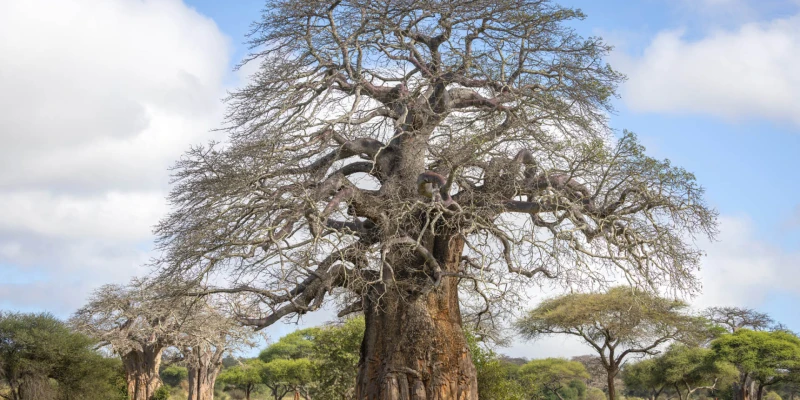
Nestled in northern Tanzania, Tarangire National Park is often called the “Elephant Paradise” for its massive herds and iconic baobab trees. While it may not be as famous as Serengeti or Ngorongoro, Tarangire offers a uniquely intimate safari experience, where wildlife is abundant, landscapes are dramatic, and photographic opportunities are endless. Understanding the best time to visit Tarangire can transform your safari from good to unforgettable.
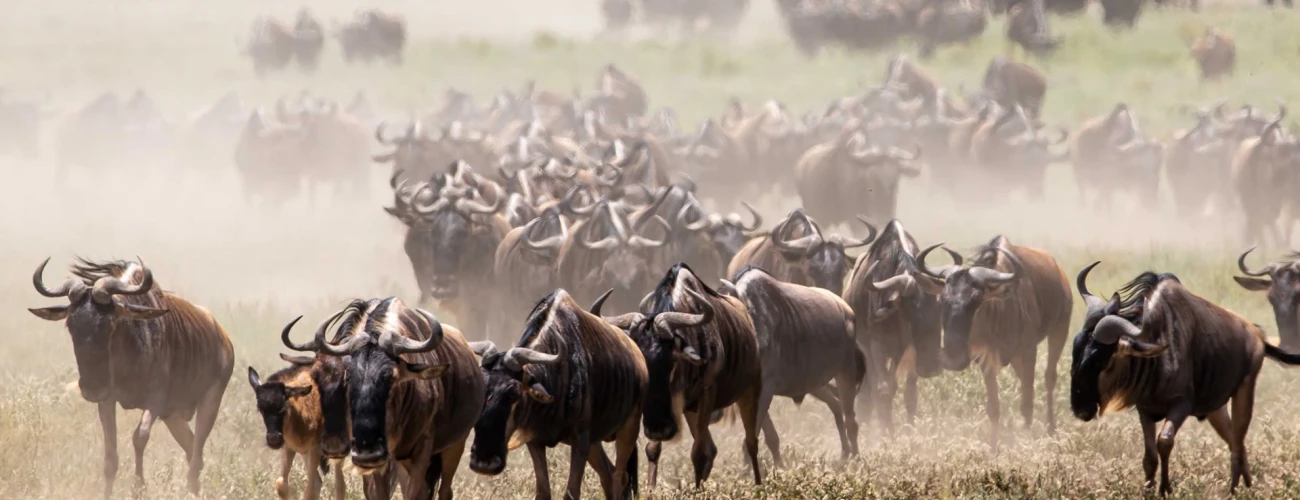
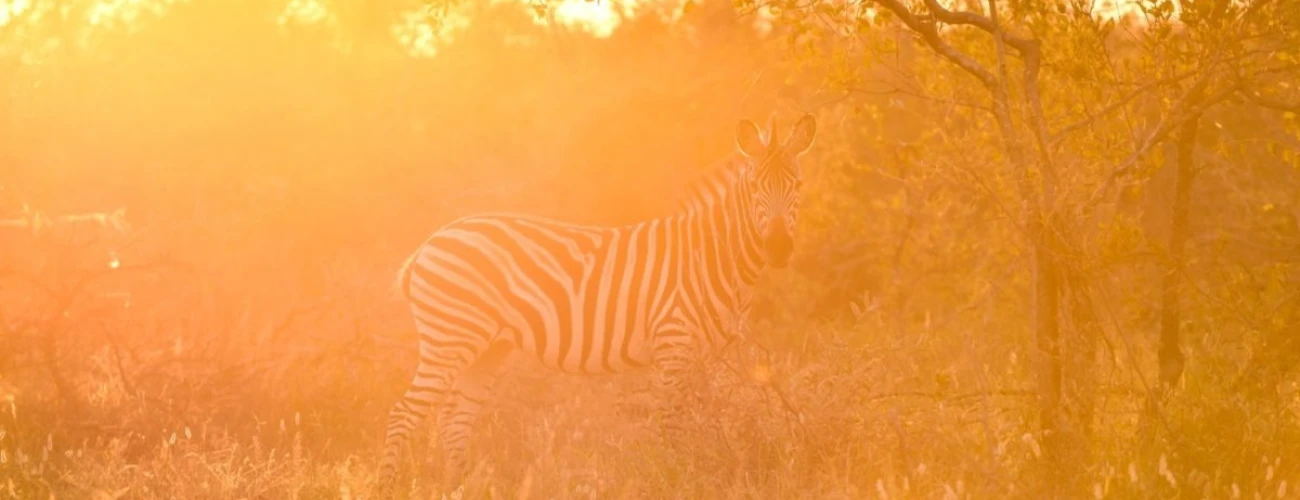
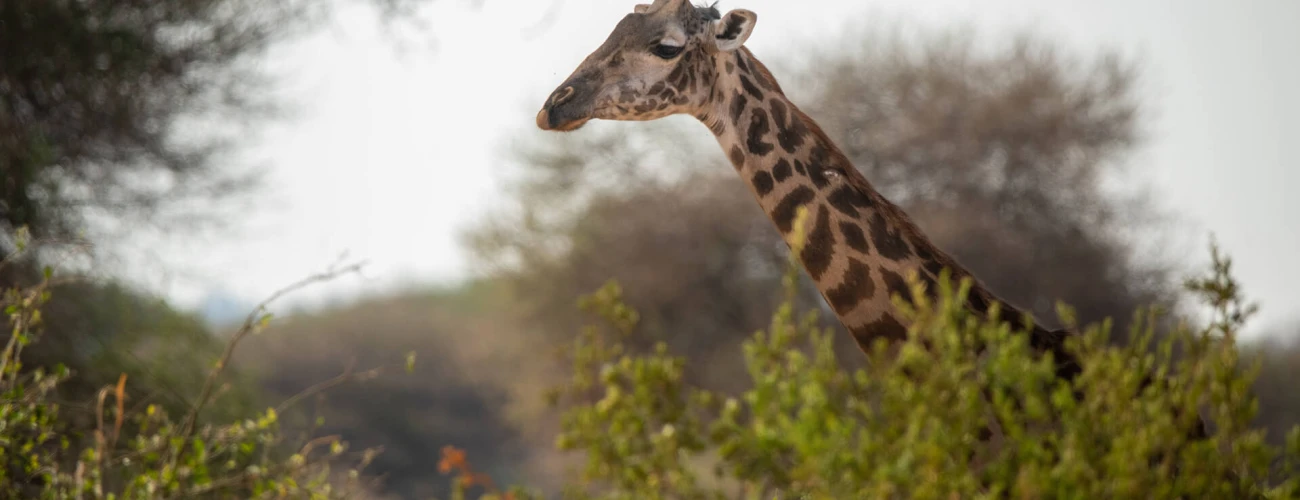
The dry season is widely regarded as the ideal time for visiting Tarangire. From June to October, the park’s water sources shrink, causing wildlife to congregate near the Tarangire River and other remaining waterholes. This natural concentration makes it much easier to spot elephants, lions, giraffes, zebras, and wildebeests without endless driving.
During these months, the vegetation is sparse, giving clear visibility for game drives and photography. The weather is dry, sunny, and cooler, which also makes walking safaris and bush camping more comfortable. Birdwatchers, too, will enjoy a chance to spot raptors like the African fish eagle, as well as other dry-season birds gathering around water sources.
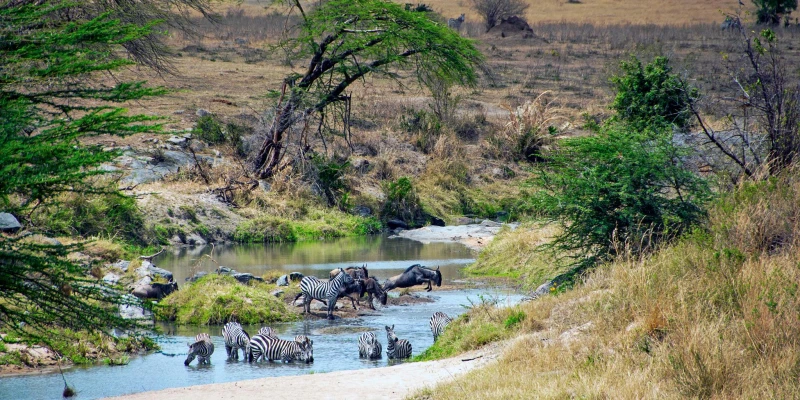
Visiting Tarangire during the wet months has its own special charm. The park transforms into a lush, green paradise, and rivers and streams flow abundantly. The heavy rains, particularly from March to May, bring the landscape to life and create dramatic photographic opportunities.
While wildlife may be more dispersed because water is plentiful across the park, this season is ideal for wildlife enthusiasts who want to see newborn animals, including calves of elephants, antelopes, and zebras. The greenery also attracts migratory birds, making Tarangire a hotspot for birdwatching enthusiasts. Safari lodges are usually quieter during this period, offering a more intimate and private experience.
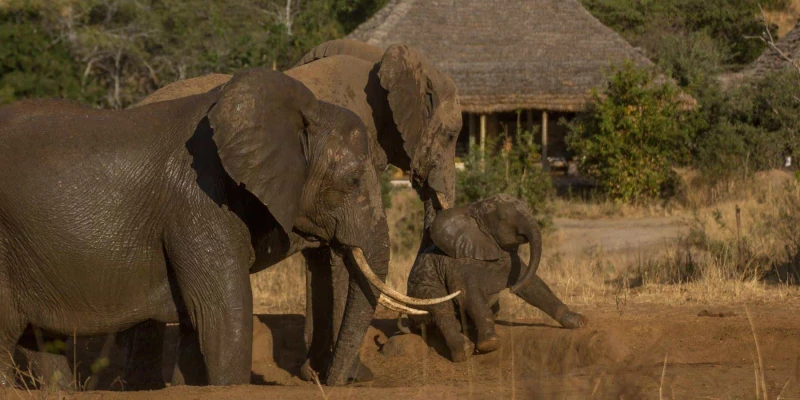
Dry Season: Large elephant herds, lions lounging in open plains, impressive predator sightings near waterholes.
Wet Season: Newborn wildlife, vibrant flora, migratory birds, and stunning landscapes for photography.
Book Early: June to October is the high season, so accommodations and safari vehicles fill up quickly.
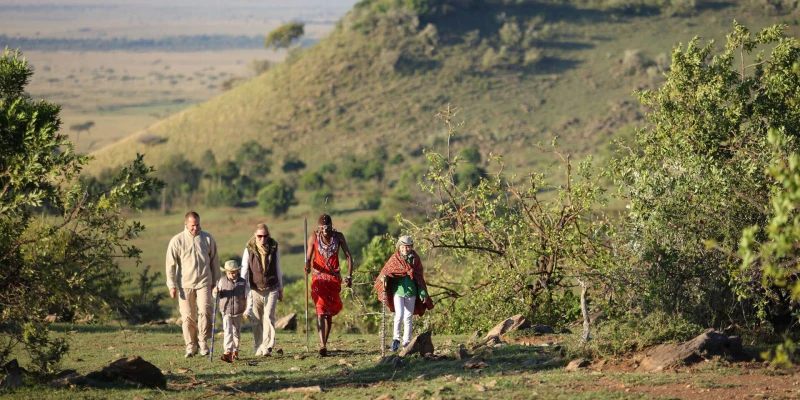
Choose Your Safari Type: Whether a guided game drive, walking safari, or private luxury safari, each season offers unique experiences.
Pack Smart: Dry season requires sun protection and light clothing; wet season calls for waterproof gear, insect repellent, and sturdy boots.
Combine Parks: Many travelers combine Tarangire with Ngorongoro Crater or Lake Manyara, maximizing wildlife diversity and scenic variety.
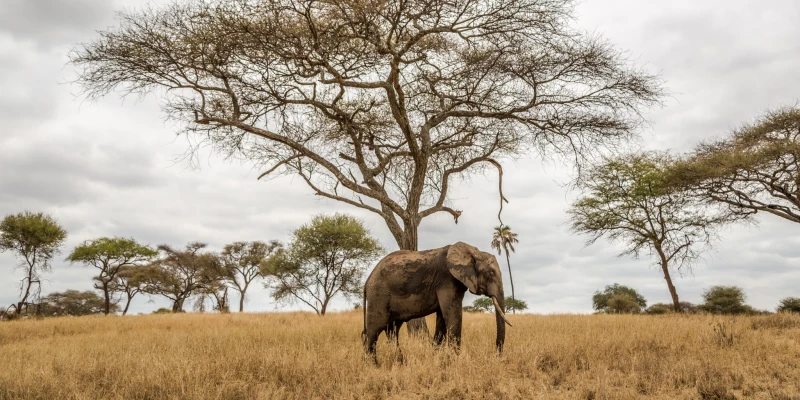
Tarangire is more than just elephants. Its towering baobab trees, rolling hills, and quiet rivers make it a photographer’s dream. Unlike some of Tanzania’s busier parks, Tarangire offers a sense of wilderness and intimacy, allowing travelers to truly connect with nature. Whether you’re chasing the Big Five, photographing unique landscapes, or simply soaking in the African bush, Tarangire delivers unforgettable safari moments.
For the ultimate wildlife adventure, the best time to visit Tarangire National Park depends on your priorities: dry-season wildlife concentration for easy sightings or green-season scenery for vibrant landscapes. Either way, a well-planned safari here is an experience you’ll cherish for a lifetime.
Contact Deeper Serengeti Safaris today to customize your Tarangire safari itinerary and secure the best lodges, guides, and game drives. Let us help you witness the magic of Tanzania’s wilderness!