
 25 secondsm
Rare Animals You Can Spot in Tanzania Safaris
Tanzania is globally celebrated for its iconic wildlife lions, elephants, and va…
Read
Tanzania stands among the world’s most celebrated safari destinations, offering vast wilderness landscapes, exceptional biodiversity, and some of Africa’s most iconic wildlife spectacles. From the endless plains of the Serengeti National Park to the dramatic volcanic basin of the Ngorongoro Crater, the country provides year-round safari opportunities. However, the experience varies significantly depending on the season.
Understanding when to visit Tanzania is essential for travelers who want to maximize wildlife sightings, enjoy ideal weather conditions, or witness unique natural events such as the world-famous wildebeest migration. Each season presents its own atmosphere, wildlife movements, and photographic opportunities. Whether travelers prefer dramatic predator encounters, lush green landscapes filled with newborn animals, or quiet safari experiences with fewer visitors, Tanzania offers something remarkable in every period of the year.
Unlike many destinations that have only two distinct seasons, Tanzania’s safari calendar is shaped by rainfall patterns, wildlife migration, and vegetation cycles. The year is broadly divided into the dry season and the green season, each delivering different types of safari experiences.
The dry season typically runs from June to October and is widely considered the classic safari period. During this time, vegetation becomes sparse and animals gather around rivers, lakes, and waterholes, making wildlife easier to locate. The green season, from November to May, brings rainfall that transforms the savannah into lush grasslands and forests. This period is particularly rewarding for birdwatching, photography, and witnessing newborn wildlife.
While some travelers focus solely on the dry season, seasoned safari enthusiasts recognize that Tanzania’s green months offer extraordinary wildlife moments, including the dramatic calving season of wildebeest.
The dry season is the most popular time to visit Tanzania for a wildlife safari. During these months, the landscape becomes golden and open, allowing excellent visibility for spotting animals across the plains. Water sources shrink, forcing wildlife to gather around rivers and waterholes, creating dramatic encounters between predators and prey.
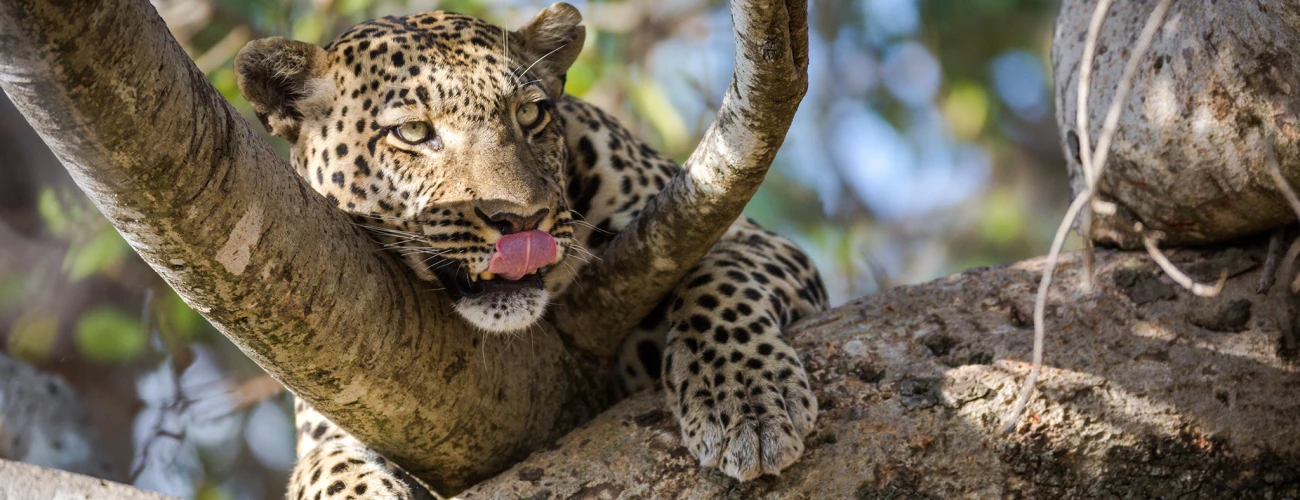
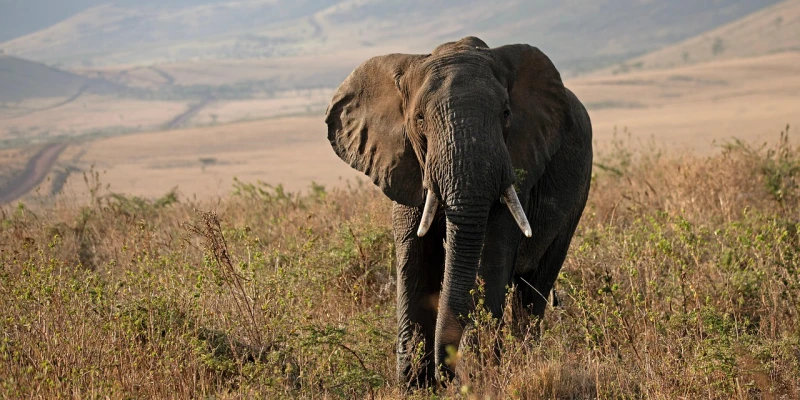
In the northern safari circuit, including the iconic Serengeti National Park, wildlife densities become particularly impressive. Massive herds of herbivores roam the plains while lions, leopards, and cheetahs remain highly active in pursuit of prey. Meanwhile, the Tarangire National Park becomes famous for its extraordinary elephant populations, with hundreds gathering along the Tarangire River.
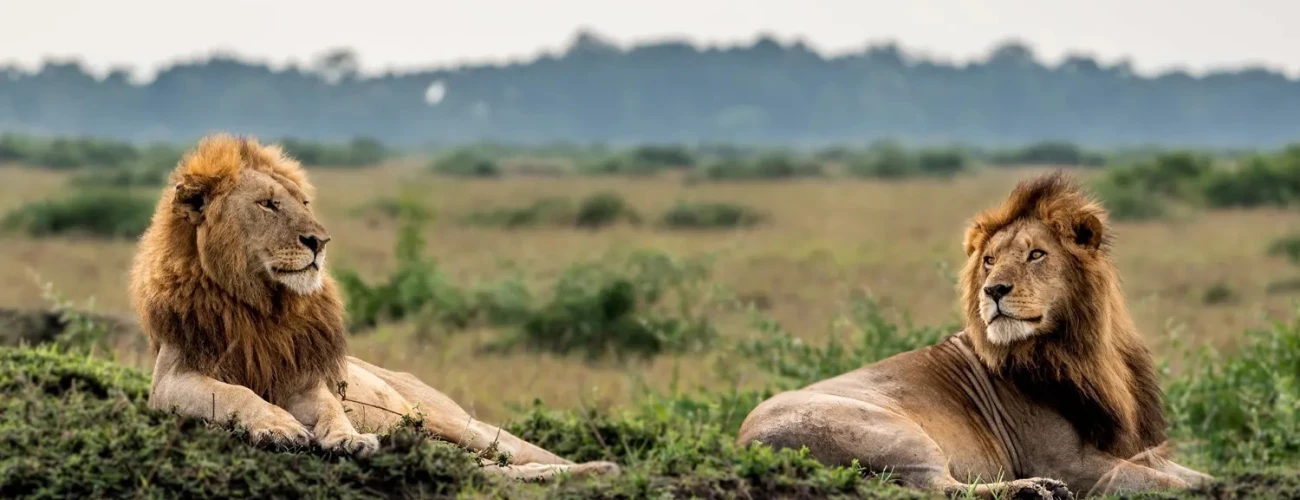
The dry season is also ideal for visiting the Ngorongoro Crater, where the enclosed ecosystem supports year-round wildlife populations. Lions, buffalo, elephants, and even the rare black rhinoceros can often be spotted within a single game drive.
Weather conditions during these months are comfortable, with sunny days and cool evenings. These factors make June through October the preferred safari period for travelers seeking classic wildlife viewing conditions and clear skies.
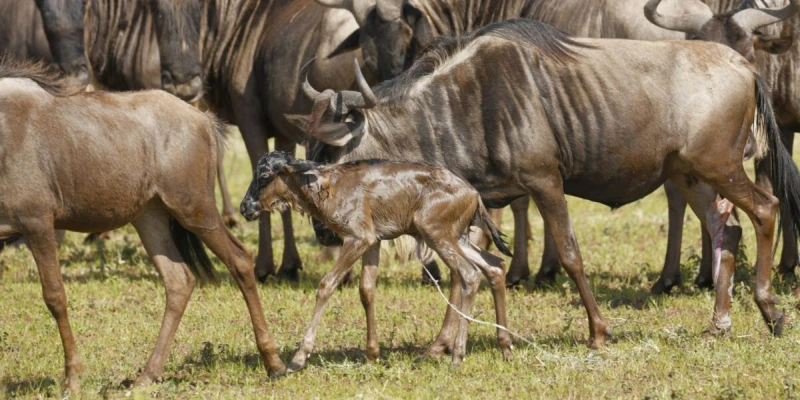
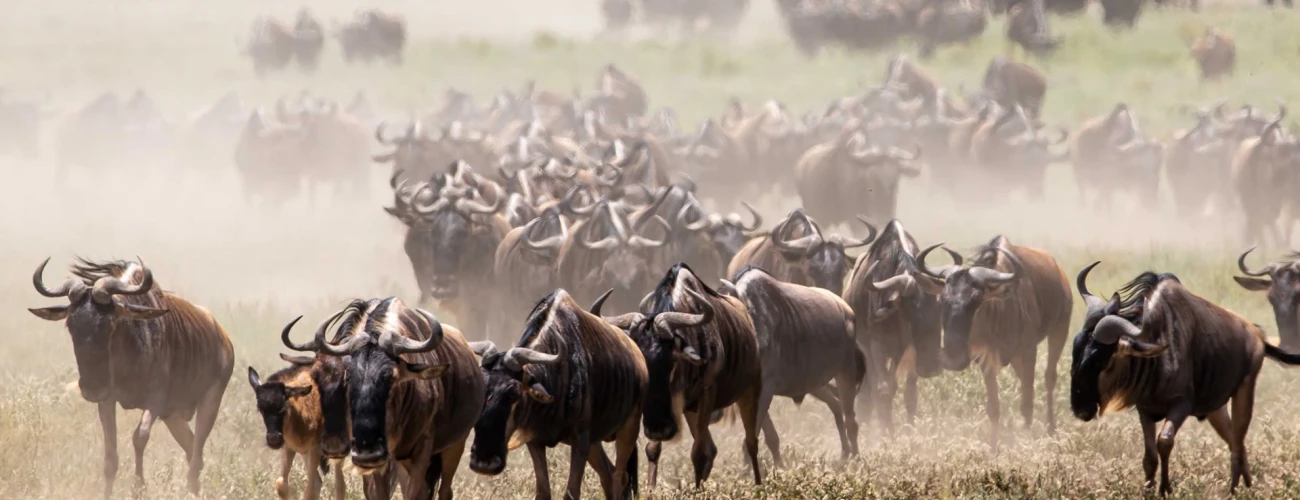
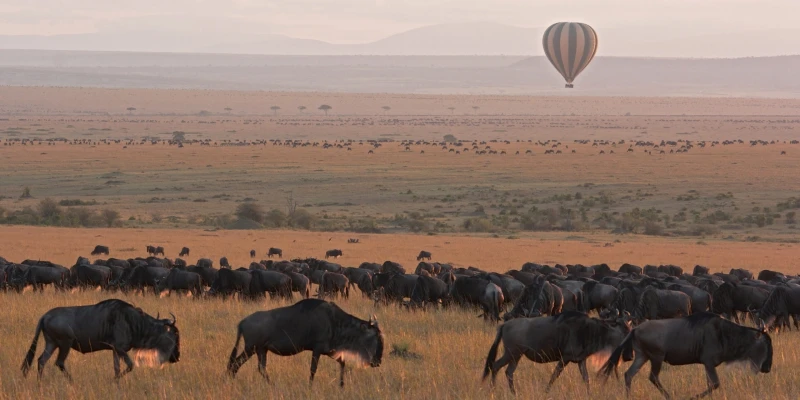
The early months of the year bring one of the most extraordinary wildlife spectacles in Africa. Across the southern plains of the Serengeti National Park, nearly half a million wildebeest calves are born within a short period of time. This phenomenon, known as the calving season, attracts an extraordinary concentration of predators.
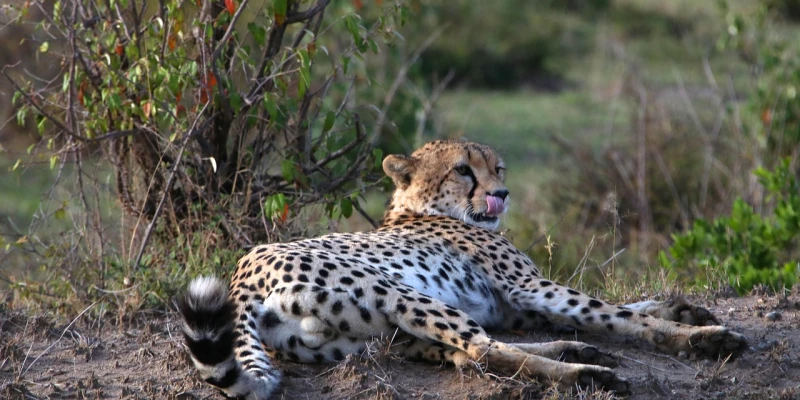
During this time, lions, cheetahs, and hyenas patrol the plains, creating intense wildlife drama as predators follow the vast herds. For wildlife photographers and documentary filmmakers, this season offers unparalleled opportunities to capture the raw dynamics of nature.
The landscape during this period is vibrant and green following seasonal rains. Grasslands stretch endlessly across the horizon, supporting huge grazing herds and attracting a diverse range of animals. Birdlife also flourishes during this time, with migratory species arriving from Europe and Asia.
Although occasional rainfall occurs, game viewing remains exceptional and the scenery becomes particularly beautiful for photography.
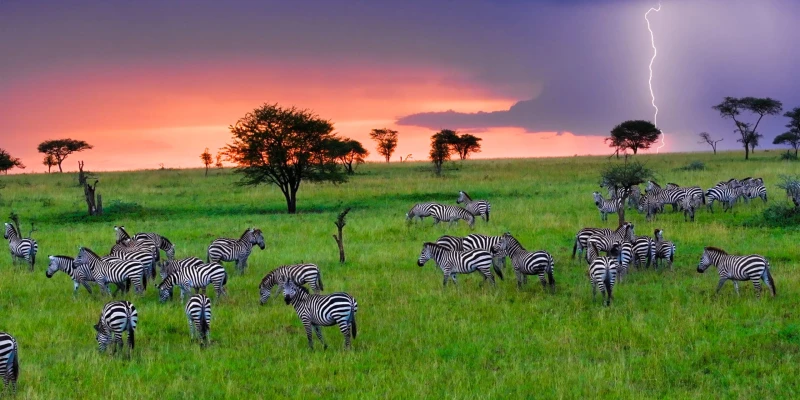
The short rainy season arrives toward the end of the year, transforming Tanzania’s landscapes into a lush paradise. Thunderstorms typically occur in the late afternoon or evening, leaving most mornings clear for game drives.
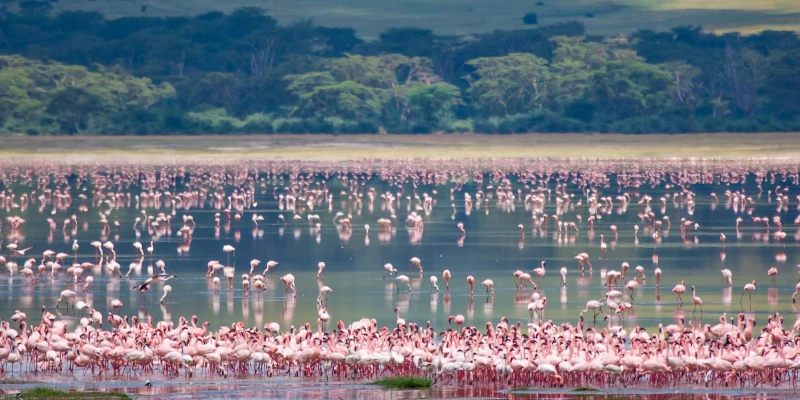
This period offers a quieter safari atmosphere with fewer tourists compared to the peak dry season. Parks such as Lake Manyara National Park become incredibly vibrant, with forests and wetlands supporting large populations of birds, primates, and herbivores. Flamingos frequently gather along the lake’s shores, creating spectacular pink horizons.
The green landscapes also attract large herbivores that take advantage of fresh grazing areas. Wildlife becomes widely distributed, providing a more natural and exploratory safari experience.
For travelers seeking scenic beauty, dramatic skies, and excellent birdwatching, this season can be surprisingly rewarding.
April and May represent Tanzania’s long rainy season, when the country receives its heaviest rainfall. During this time, safari travel becomes quieter, creating a rare sense of exclusivity in many parks.
The wilderness transforms into an emerald landscape filled with dramatic clouds, vibrant grasslands, and flowing rivers. Photographers often appreciate the striking contrast between dark storm skies and bright savannahs.
While some remote roads can become challenging, many parks remain accessible, and wildlife sightings continue throughout the season. In fact, animals often appear healthier and more active due to abundant grazing.
For travelers who prefer solitude and reduced travel costs, this period offers a unique perspective of Tanzania’s wild beauty.
Selecting the ideal time to visit Tanzania ultimately depends on the type of safari experience a traveler desires. Those seeking classic wildlife viewing with excellent visibility and minimal rain often prefer the dry months from June to October. Travelers interested in witnessing one of nature’s most remarkable events may choose the calving season between January and March.
Meanwhile, visitors who appreciate dramatic landscapes, vibrant birdlife, and fewer crowds often find the green seasons equally compelling.
Tanzania’s remarkable biodiversity ensures that wildlife viewing remains exceptional throughout the year. The country’s diverse ecosystems from the baobab-studded plains of Tarangire National Park to the volcanic ecosystem of the Ngorongoro Crater provide continuous opportunities for unforgettable safari encounters.
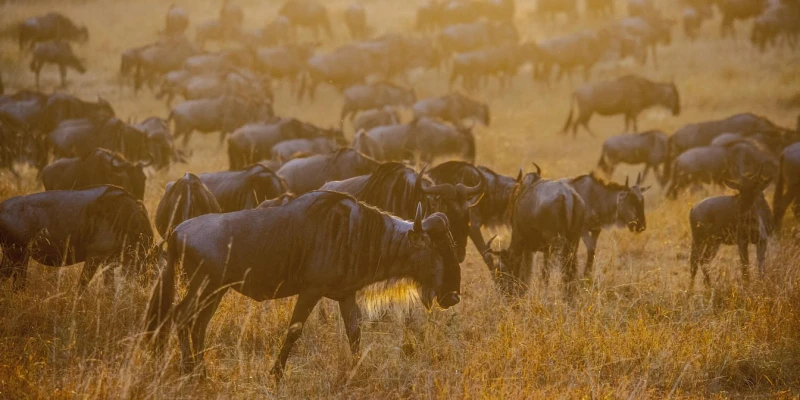
Tanzania is not defined by a single “best time” but rather by a dynamic wildlife calendar that unfolds throughout the year. Each season reveals a different character of the wilderness whether it is dramatic predator action, newborn wildlife across green plains, or vast herds gathering along rivers during the dry months.
For travelers seeking an authentic African safari, Tanzania offers one of the most diverse and rewarding wildlife experiences on Earth.
At Deeper Serengeti Safaris, we design tailored safaris that align with Tanzania’s natural rhythms ensuring that every journey captures the most remarkable wildlife moments of the season.
Start planning your Tanzania safari today and discover the extraordinary landscapes, wildlife, and seasonal spectacles that define East Africa’s greatest wilderness.