
 25 secondsm
Rare Animals You Can Spot in Tanzania Safaris
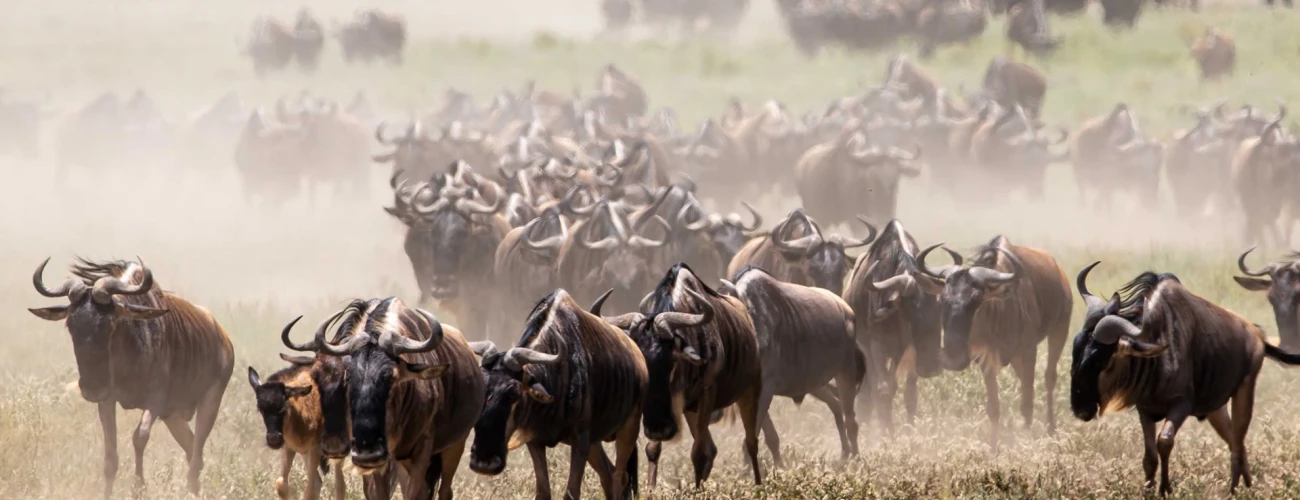
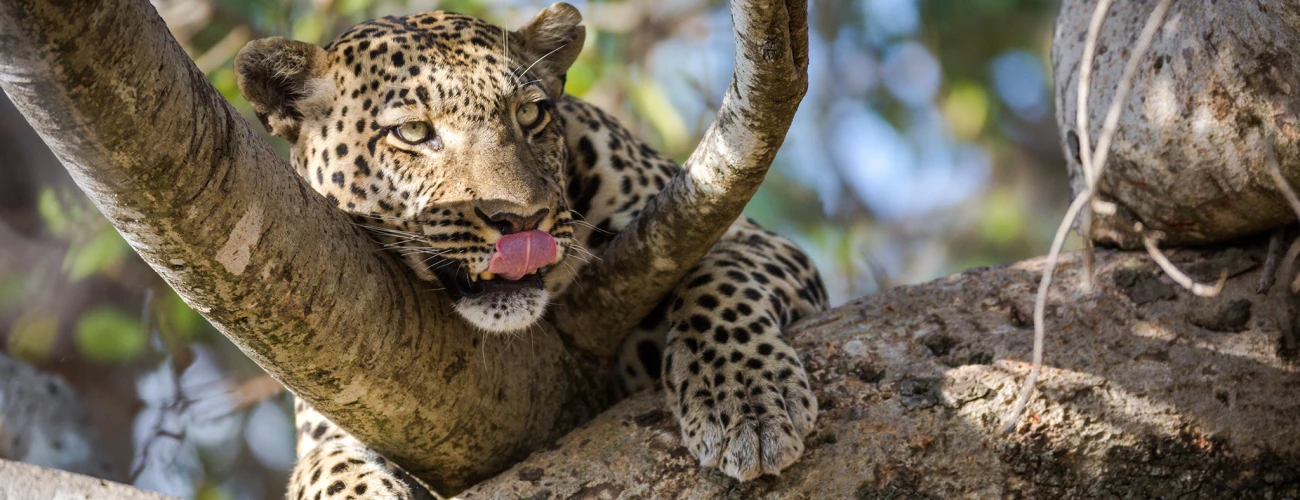
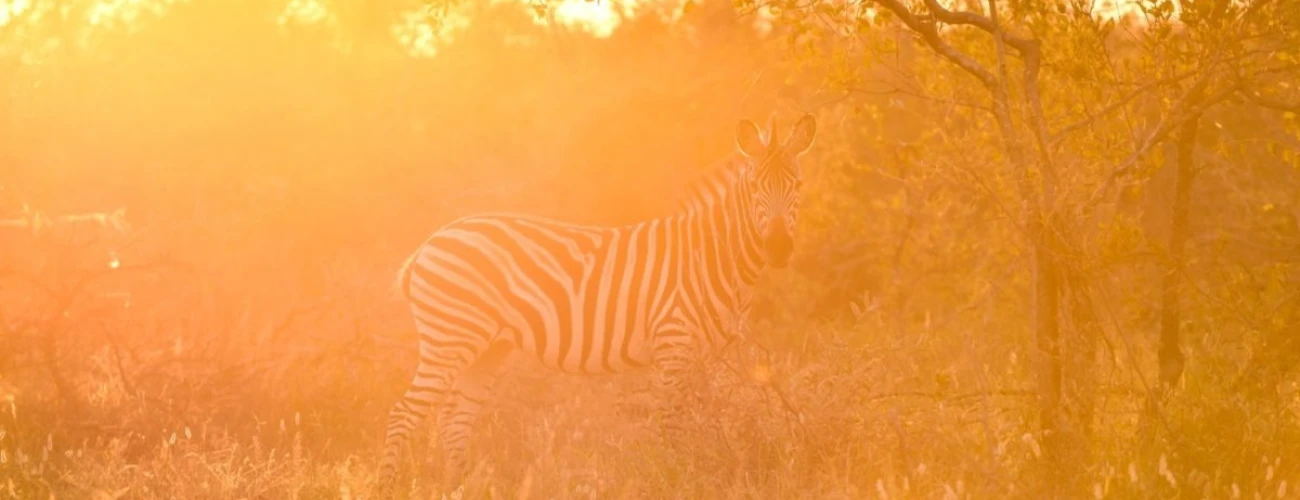
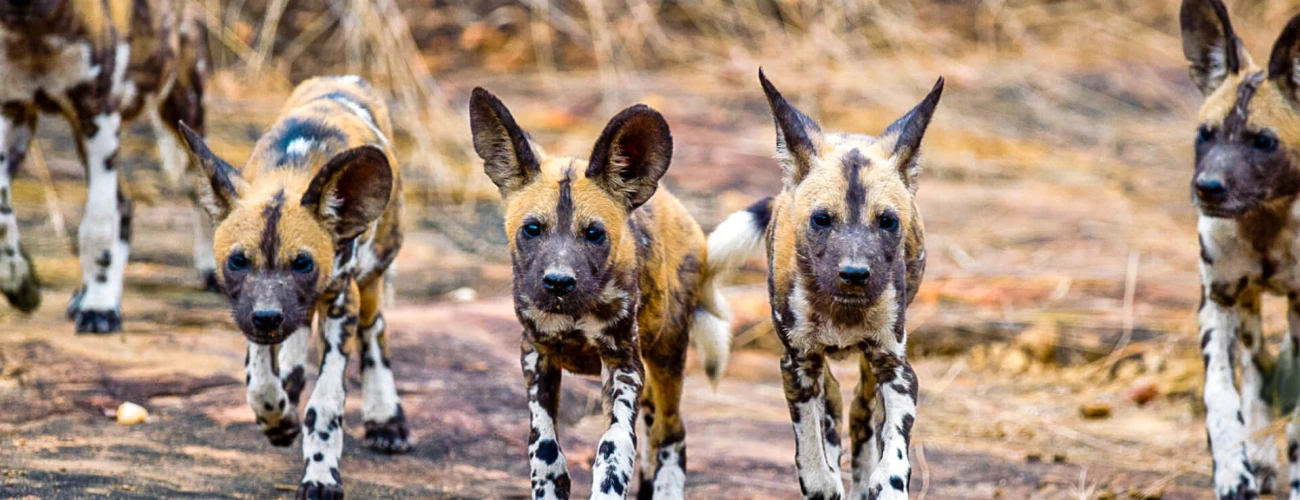
Tanzania is globally celebrated for its iconic wildlife lions, elephants, and va…
Read
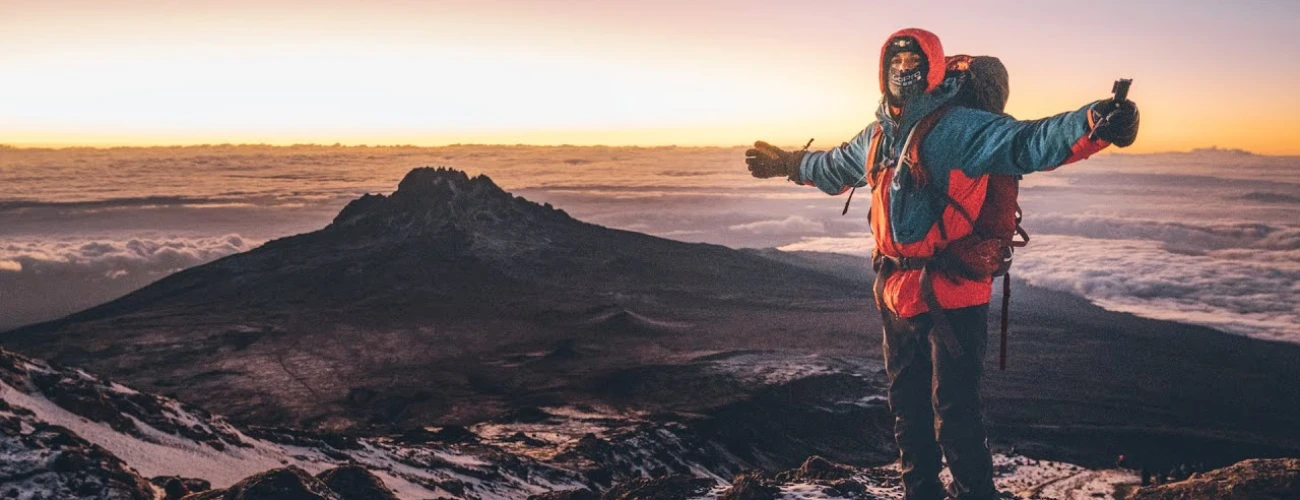
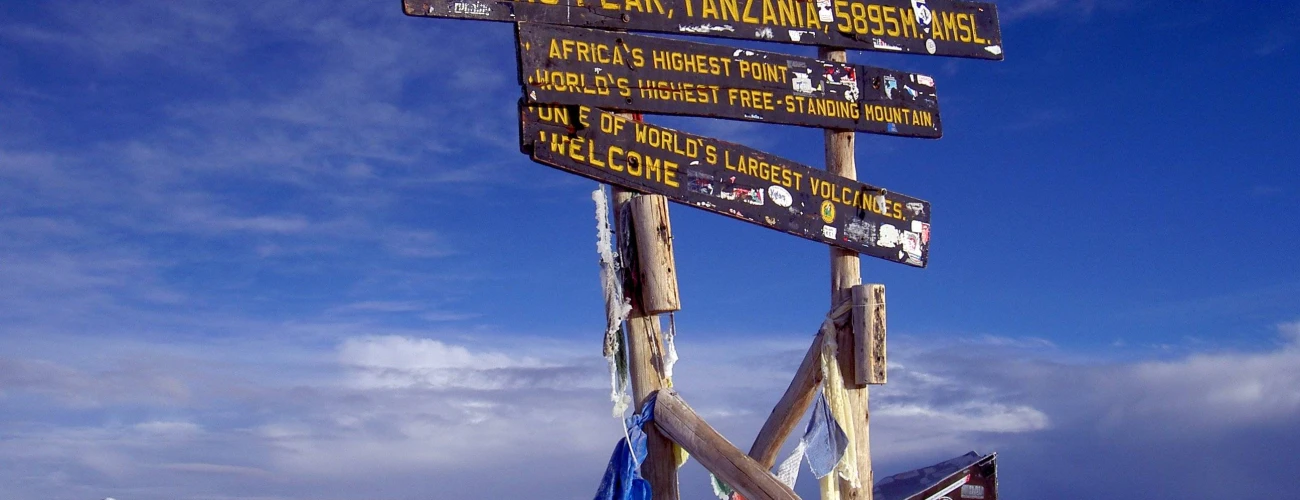
Climbing Mount Kilimanjaro is one of the greatest trekking adventures in the world. Rising to 5,895 meters (19,341 ft) above sea level, Kilimanjaro attracts thousands of climbers each year who dream of reaching Uhuru Peak, the highest point in Africa.
Although Kilimanjaro can be climbed throughout the year, the weather conditions change significantly with the seasons. Rainfall patterns, cloud cover, temperatures, and trail conditions can influence the trekking experience and the chances of successfully reaching the summit. Understanding these seasonal patterns helps climbers choose the most suitable time for their adventure.
Below is a detailed seasonal guide explaining the best and most challenging times to climb Kilimanjaro.
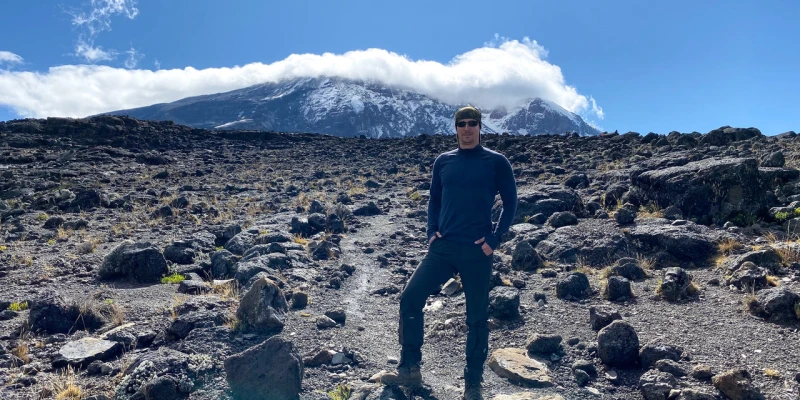
The short dry season is one of the most favorable periods for climbing Kilimanjaro. During these months, the mountain typically experiences warm daytime temperatures, relatively low rainfall, and clear skies that reveal spectacular views of glaciers and surrounding landscapes.
Trekkers starting their climb during this period enjoy pleasant trekking conditions, especially while passing through the rainforest and moorland zones. Higher on the mountain, the air remains crisp and cold, but the clear visibility creates breathtaking panoramas across northern Tanzania and even toward Mount Meru.
Because of the stable weather, this season attracts many climbers, particularly in January and February. While trails can be busier, the overall experience is often rewarding, with golden sunrises, vibrant sunsets above the clouds, and excellent photography conditions.
For many trekkers, January and February represent one of the best windows of the year to attempt Kilimanjaro.
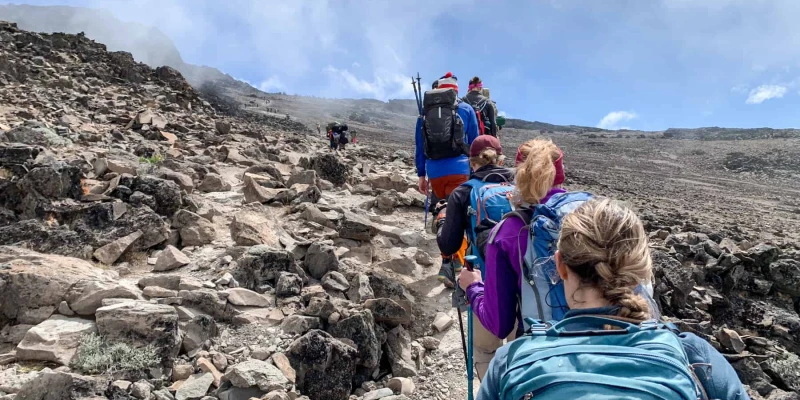
The long rainy season arrives gradually in March and intensifies through April and May. During this period, heavy rainfall is common on the lower slopes of Kilimanjaro, especially in the rainforest zone.
Trails can become muddy and slippery, making trekking more physically demanding. Thick cloud cover may reduce visibility, and constant moisture can make camping conditions more challenging.
However, there are also unique advantages to climbing during this season. The mountain becomes quieter with fewer climbers, and the rainforest transforms into a lush green paradise filled with birds and wildlife. The scenery is vibrant, waterfalls flow more strongly, and the atmosphere feels fresh and alive.
While this period is generally considered less ideal for climbing, experienced trekkers who value solitude and dramatic landscapes may still enjoy the experience.
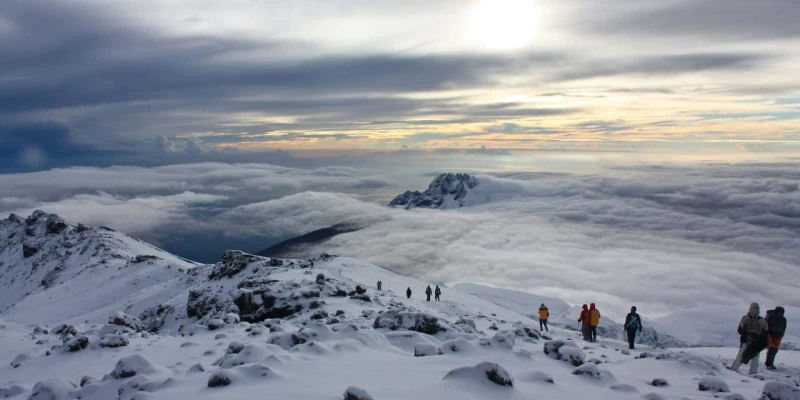
The long dry season is widely regarded as the best time of year to climb Kilimanjaro. Rainfall decreases significantly, and the trails become dry and stable, making trekking conditions much more comfortable.
June marks the beginning of this dry period, when the mountain begins to clear after the rains. From July through September, the weather is typically stable, with clear skies and excellent visibility. Climbers often experience magnificent sunrise views over the clouds and dramatic vistas across the plains of northern Tanzania.
Temperatures during this season can be colder, particularly at higher elevations and during the summit push at night. However, the dry conditions and clear air create spectacular mountain scenery and reliable climbing conditions.
Because of its favorable weather, this season also attracts the highest number of climbers. Routes such as Machame and Marangu may be busy, but the reward is an unforgettable journey with stunning landscapes throughout the climb.
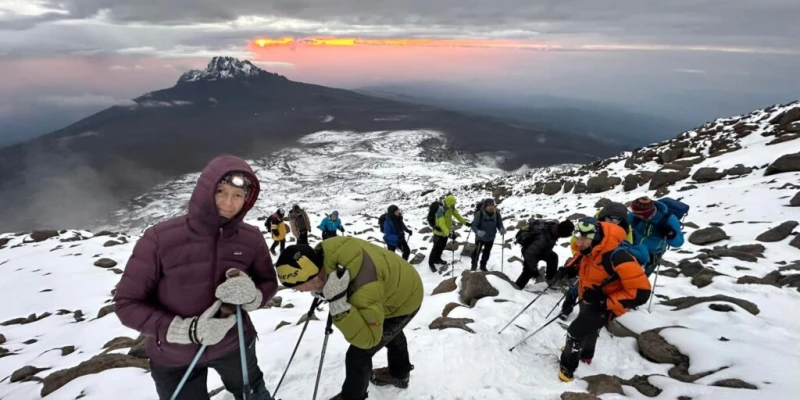
The short rainy season arrives around November and usually lasts until early December. Rainfall during this time is lighter and less consistent than the long rains earlier in the year.
Showers typically occur in the afternoons or evenings, leaving many mornings clear for trekking. The rainforest once again becomes lush and vibrant, and the mountain sees far fewer climbers compared to peak months.
By mid-December, rainfall often decreases and conditions begin improving again. This period becomes increasingly popular as climbers aim to summit Kilimanjaro during the festive season or at the end of the year.
For travelers seeking a quieter climbing experience with moderate weather, the short rainy season can still offer rewarding trekking conditions.
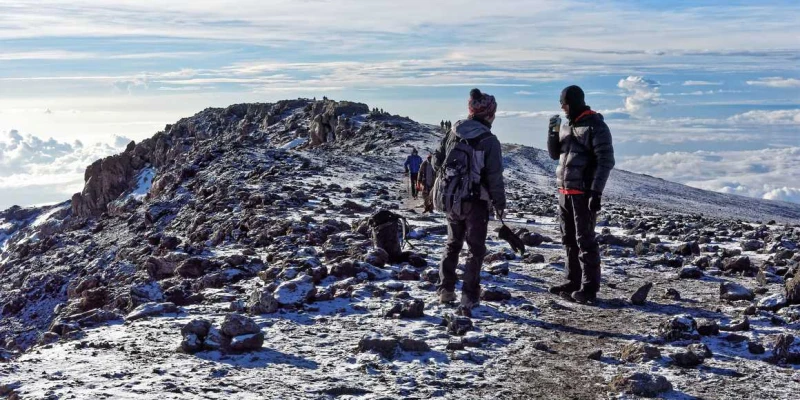
Each season on Kilimanjaro offers a different atmosphere and trekking experience. The best time to climb depends largely on personal preferences.
Trekkers who prioritize clear skies and stable weather often choose the dry seasons from January to early March or June to October. These months provide the most reliable climbing conditions and the highest chances of summit success.
Climbers seeking fewer crowds and dramatic green landscapes may consider trekking during the rainy seasons, though they should be prepared for wetter trails and reduced visibility.
Regardless of the season, reaching the summit of Mount Kilimanjaro remains an extraordinary achievement. The journey takes trekkers through five distinct ecological zones, from tropical forest to arctic summit, offering one of the most diverse trekking experiences on Earth.
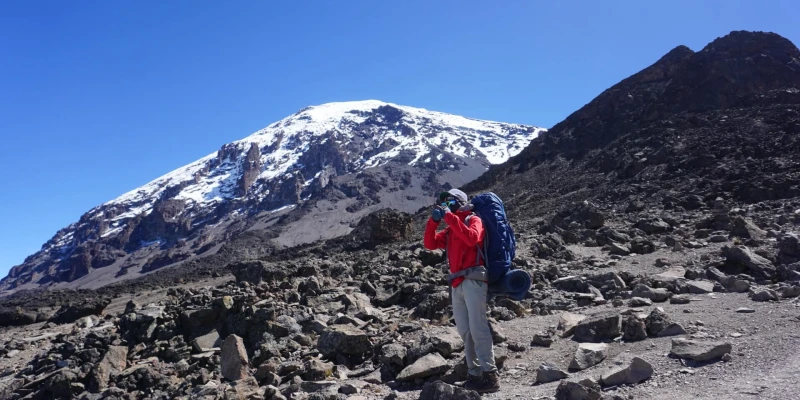
Standing on the summit of Kilimanjaro at sunrise is a moment that stays with climbers forever. Watching the first light illuminate glaciers and endless clouds below creates a powerful sense of accomplishment and awe.
With proper preparation, the right season, and an adventurous spirit, climbing Kilimanjaro becomes far more than a trek,it becomes one of the most unforgettable journeys of a lifetime.
Start planning your Kilimanjaro climb today and take the first step toward standing on the roof of Africa.