
 25 secondsm
Rare Animals You Can Spot in Tanzania Safaris
Tanzania is globally celebrated for its iconic wildlife lions, elephants, and va…
Read
Your first safari in Tanzania is usually filled with iconic experiences vast savannahs, dramatic wildlife encounters, and the thrill of seeing Africa’s famous animals for the first time. Many travelers begin their journey in legendary destinations such as Serengeti National Park, Ngorongoro Crater, and Tarangire National Park, where large populations of wildlife and spectacular landscapes create unforgettable safari moments.
However, a second safari in Tanzania opens the door to a deeper and more diverse adventure. With the highlights already experienced, travelers can explore lesser-known regions, rare wildlife habitats, and unique ecosystems that are rarely included in first-time safari itineraries.
From the remote wilderness of southern Tanzania to chimpanzee trekking in ancient forests and multi-day explorations of the Serengeti ecosystem, a second safari allows visitors to discover the true depth of Tanzania’s wildlife and landscapes.
Here are five expert tips to make your second safari in Tanzania even more extraordinary.
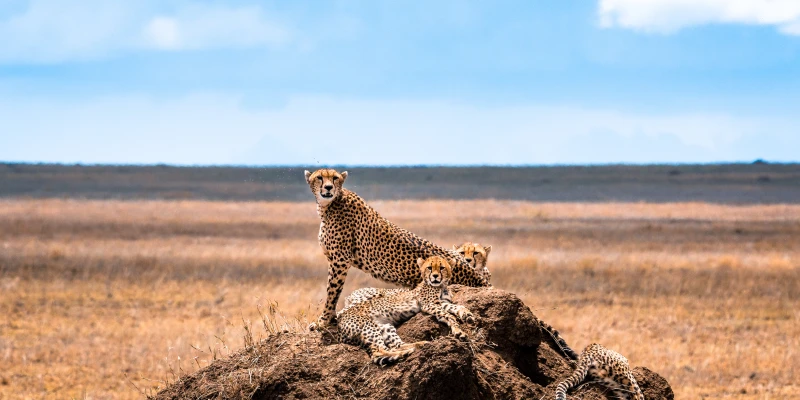
Most first-time visitors explore northern Tanzania, but the southern safari circuit offers some of the most untouched wilderness in Africa.
Parks such as Nyerere National Park and Ruaha National Park provide enormous protected landscapes with far fewer tourists, creating a far more exclusive safari experience.
Nyerere National Park, formerly known as Selous Game Reserve, is one of the largest wildlife reserves in Africa. The park is famous for its vast river systems and unique safari activities.
Visitors can experience:
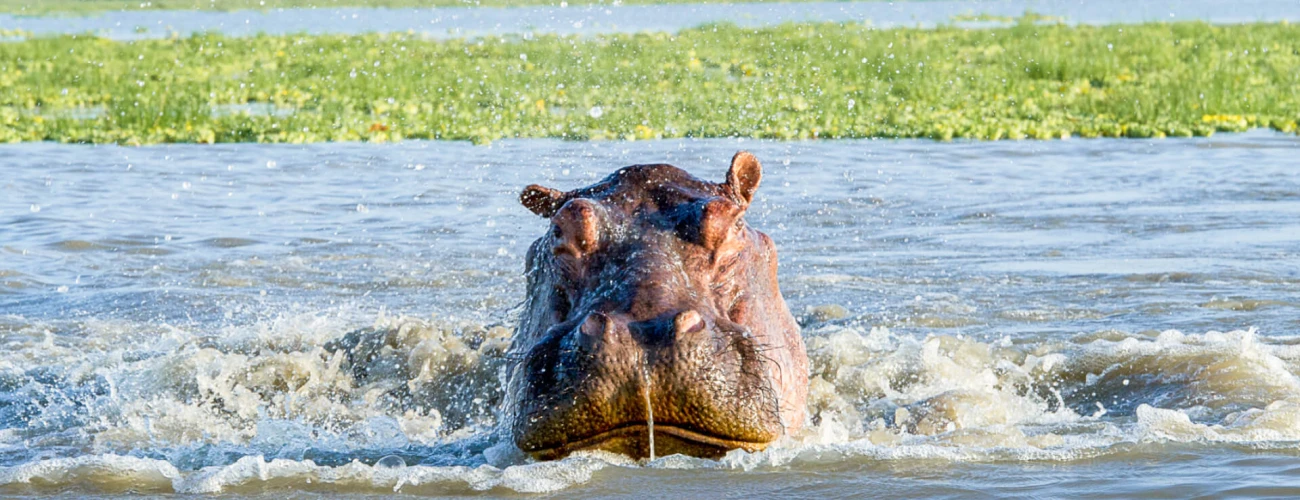
. Boat safaris along the Rufiji River surrounded by hippos and crocodiles
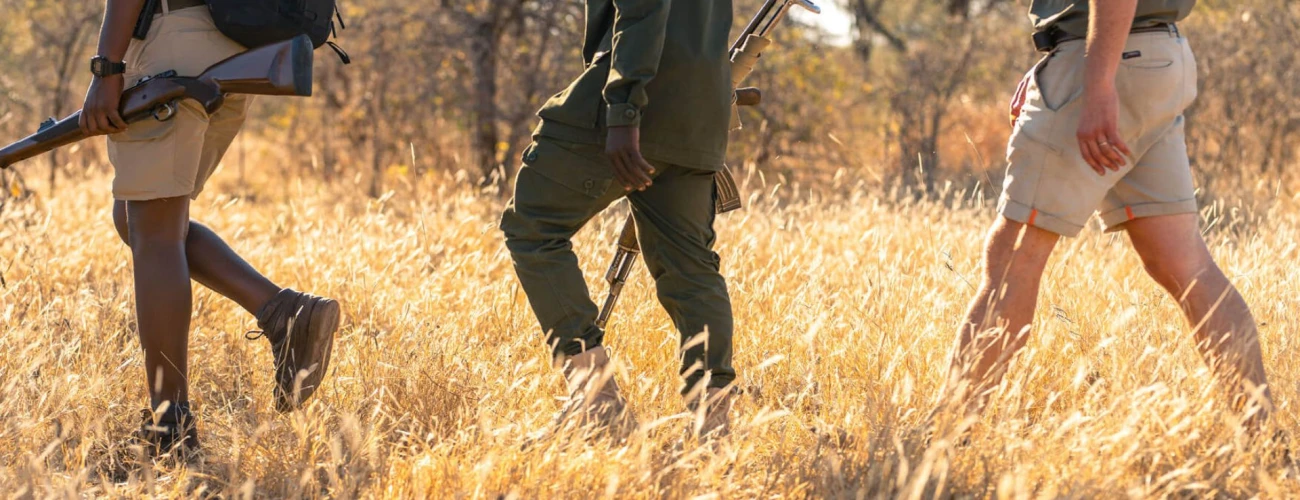
. Guided walking safaris through untouched wilderness
. Large populations of elephants, buffaloes, giraffes, and predators
. Remote landscapes rarely seen by mass tourism
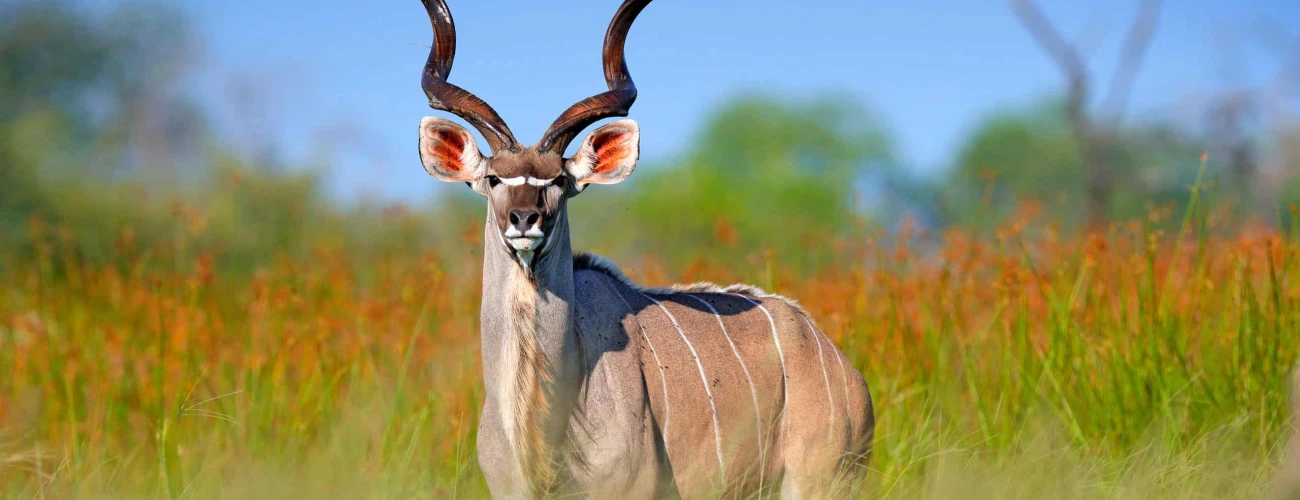
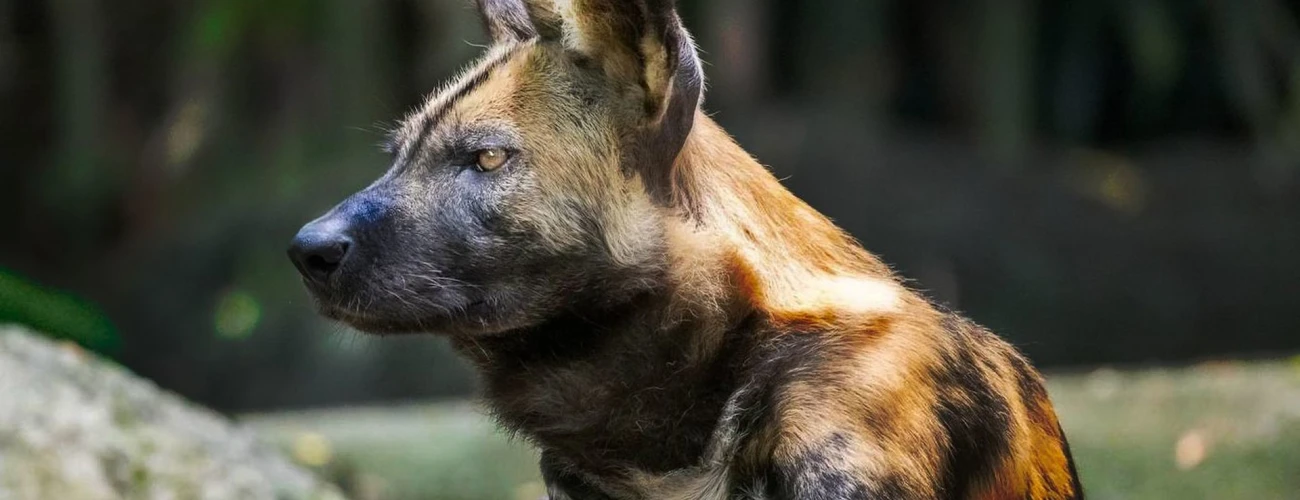
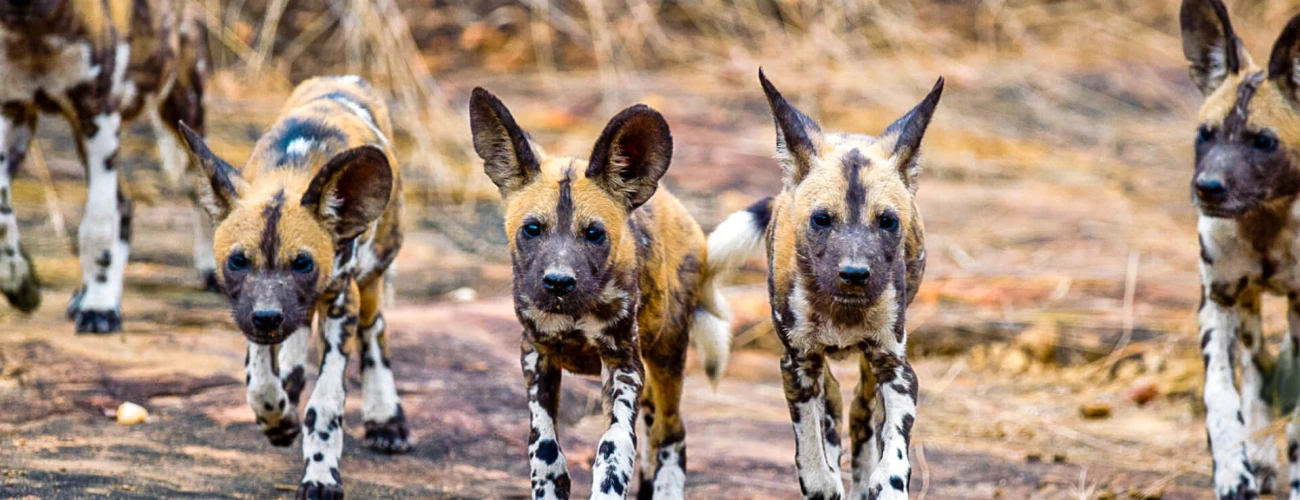
Further west lies Ruaha National Park, a rugged and dramatic wilderness known for its enormous baobab trees and powerful predator populations. Ruaha hosts one of Africa’s largest lion populations, as well as rare species such as sable antelope, greater kudu, and large packs of African wild dogs.
For travelers seeking a wild, raw, and authentic safari, the southern circuit is an exceptional choice for a second visit.
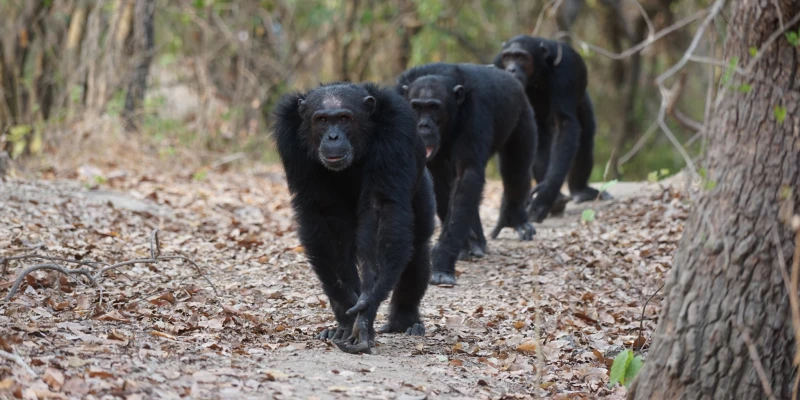
A second safari is the perfect opportunity to explore Tanzania’s unique primate destinations something many first-time safari itineraries do not include.
In the remote forests of western Tanzania, travelers can experience chimpanzee trekking in parks such as Gombe Stream National Park and Mahale Mountains National Park.
These parks lie along the shores of Lake Tanganyika, the deepest lake in Africa, and are among the most pristine rainforest environments on the continent.
Chimpanzee trekking here offers an extraordinary wildlife experience:
. Hiking through tropical forest to track wild chimpanzee families
. Observing their complex social behavior, communication, and grooming
. Watching young chimpanzees play in the forest canopy
. Experiencing one of the most intimate wildlife encounters possible in Africa
Mahale Mountains National Park is especially spectacular, combining rainforest trekking with pristine white-sand beaches along Lake Tanganyika. After a morning trek with chimpanzees, visitors can relax along the lake or kayak in crystal-clear waters.
This combination of primate adventure and tropical scenery makes western Tanzania one of the most unique safari destinations in Africa.
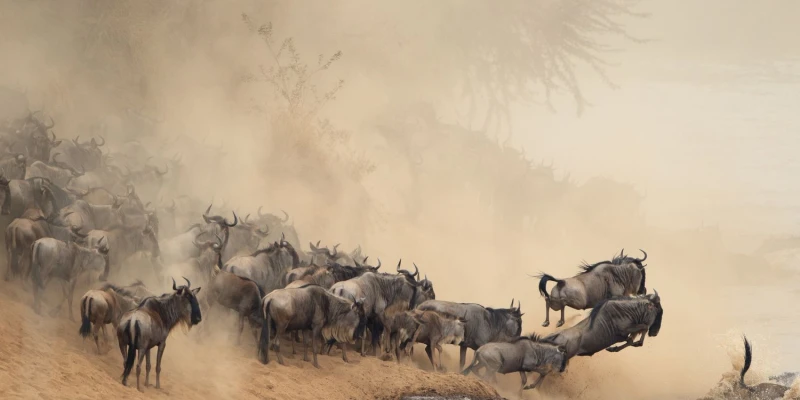
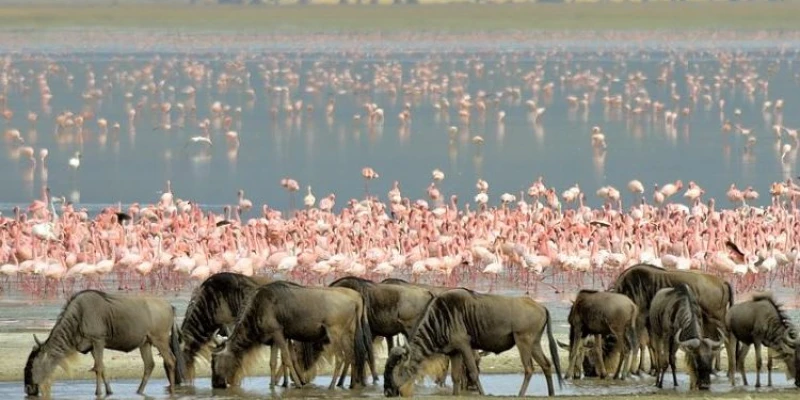
Many travelers first visit Tanzania hoping to see the famous river crossings of the Great Migration in the northern Serengeti.
However, the migration is a year-round natural cycle, and experiencing a different stage can make your second safari completely unique.
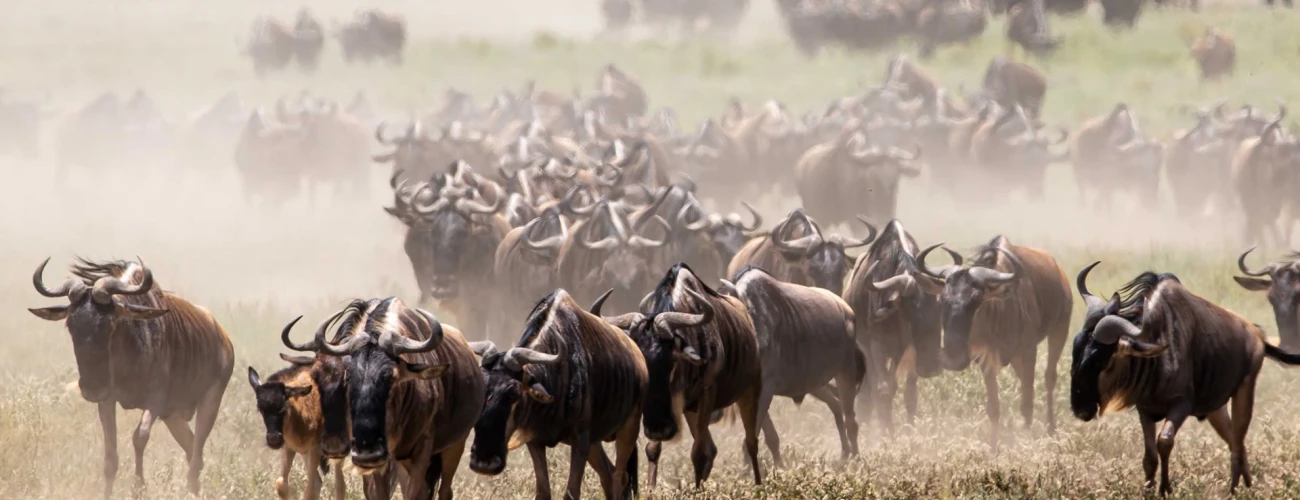
For example, visiting Ndutu between January and March reveals the spectacular calving season, when hundreds of thousands of wildebeest give birth across the short-grass plains.
During this time:
. Thousands of newborn calves appear each day
. Lions, cheetahs, and hyenas gather in high numbers
. Predator-prey interactions become frequent and dramatic
. The open plains provide exceptional photography opportunities
Alternatively, visiting the western corridor of Serengeti National Park during the Grumeti River crossings offers another thrilling stage of the migration with fewer crowds.
Each phase of the migration tells a different ecological story, making every safari feel entirely new.
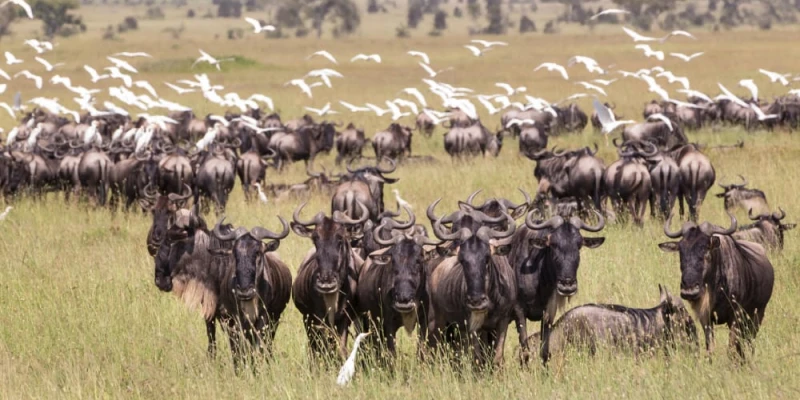
Many first-time safaris move quickly between several parks. While this approach allows visitors to see many destinations, it sometimes limits the depth of wildlife observation.
A second safari is an opportunity to slow down and spend more time in one ecosystem.
For example, staying several days in the central region of Serengeti National Park allows travelers to observe wildlife behavior over time rather than simply searching for sightings.
Longer stays often reveal fascinating moments such as:
. Lion prides teaching cubs hunting techniques
. Cheetahs stalking prey across the plains
. Elephant family interactions and migrations
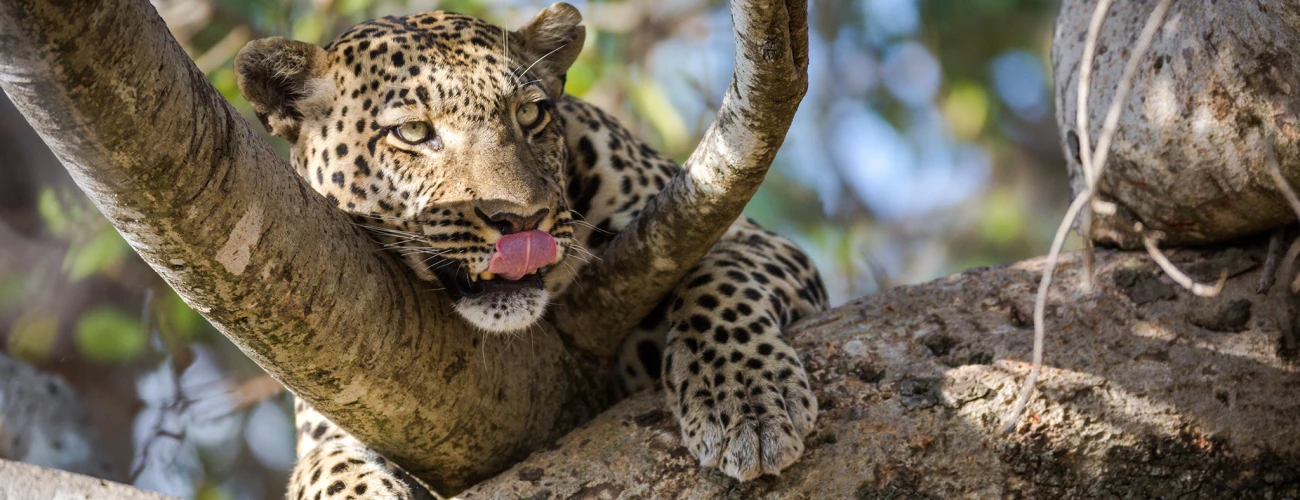
. Leopards resting in acacia trees during the heat of the day
With patience and time, the Serengeti becomes less about individual sightings and more about understanding the rhythms of the wilderness.
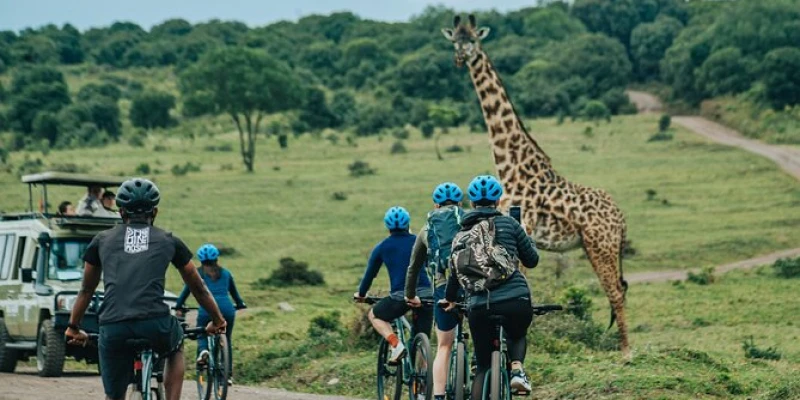
Tanzania is not only a safari destination , it is also one of Africa’s most geographically diverse countries.
A second visit allows travelers to combine wildlife safaris with other extraordinary landscapes and adventures.
Many travelers extend their journeys with experiences such as:
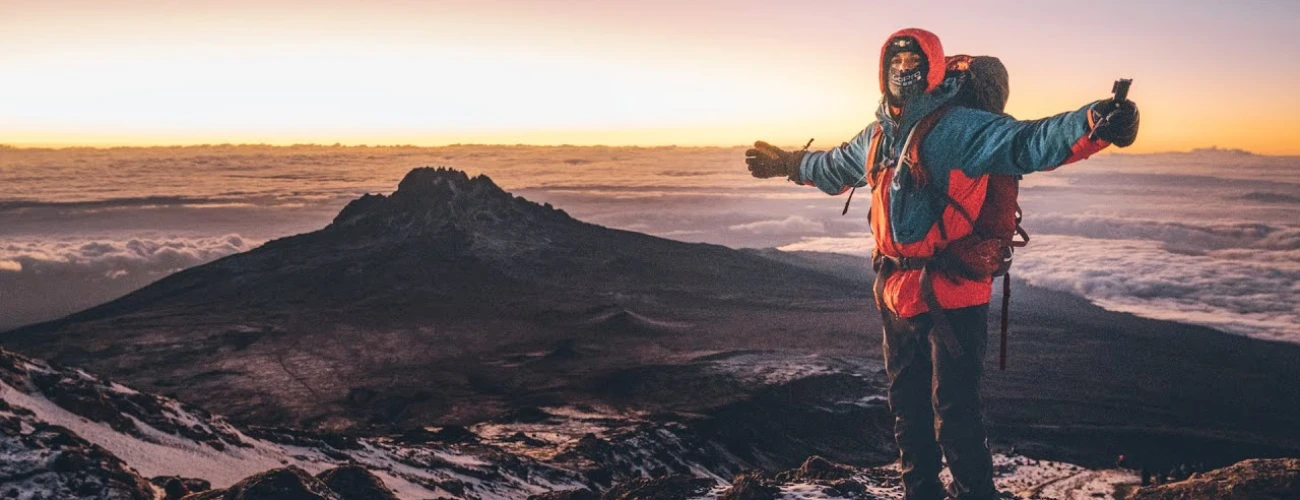
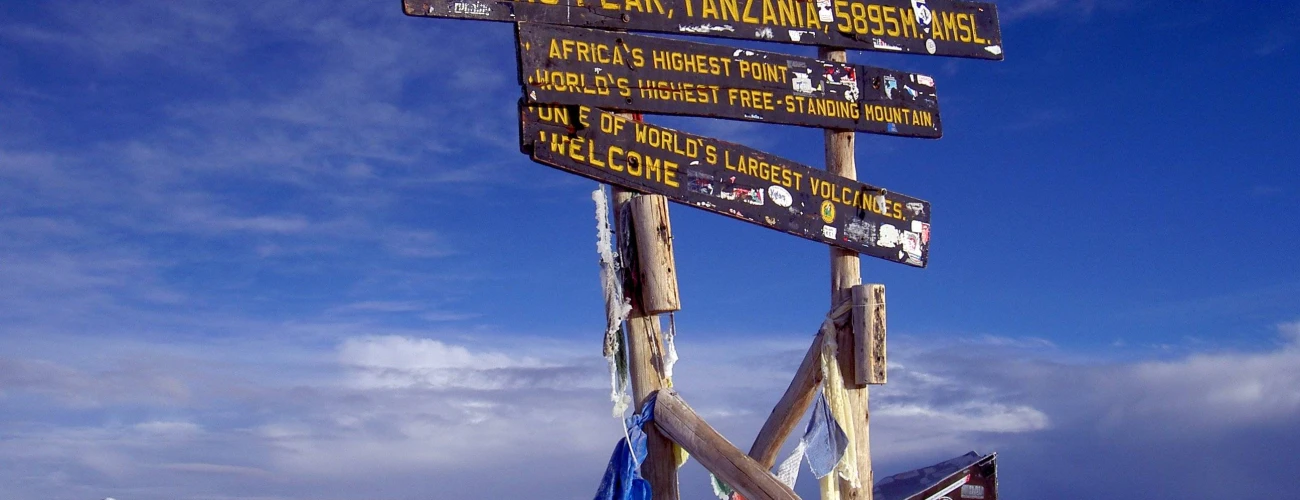
. Trekking around the foothills of Mount Kilimanjaro
. Hiking through rainforest waterfalls in Udzungwa Mountains National Park
. Canoeing on scenic lakes in Arusha National Park
. Relaxing on tropical beaches inZanzibar
The Udzungwa Mountains, in particular, are known as the “Galápagos of Africa” due to their high levels of endemic wildlife and spectacular hiking trails leading to hidden waterfalls.
Combining wildlife safaris with mountains, forests, and coastal landscapes creates a far more complete exploration of Tanzania.
A second safari in Tanzania is not simply a return , it is an opportunity to discover a deeper and wilder side of the country.
From the remote plains of southern Tanzania to the rainforest mountains where chimpanzees roam, the country offers far more than the classic safari experience.
By exploring new ecosystems, visiting lesser-known parks, and spending more time in nature, travelers can experience Tanzania in a way that feels more immersive, adventurous, and rewarding.
With careful planning and expert guidance, your second safari can become an even greater journey than the first.