
 25 secondsm
Rare Animals You Can Spot in Tanzania Safaris
Tanzania is globally celebrated for its iconic wildlife lions, elephants, and va…
Read
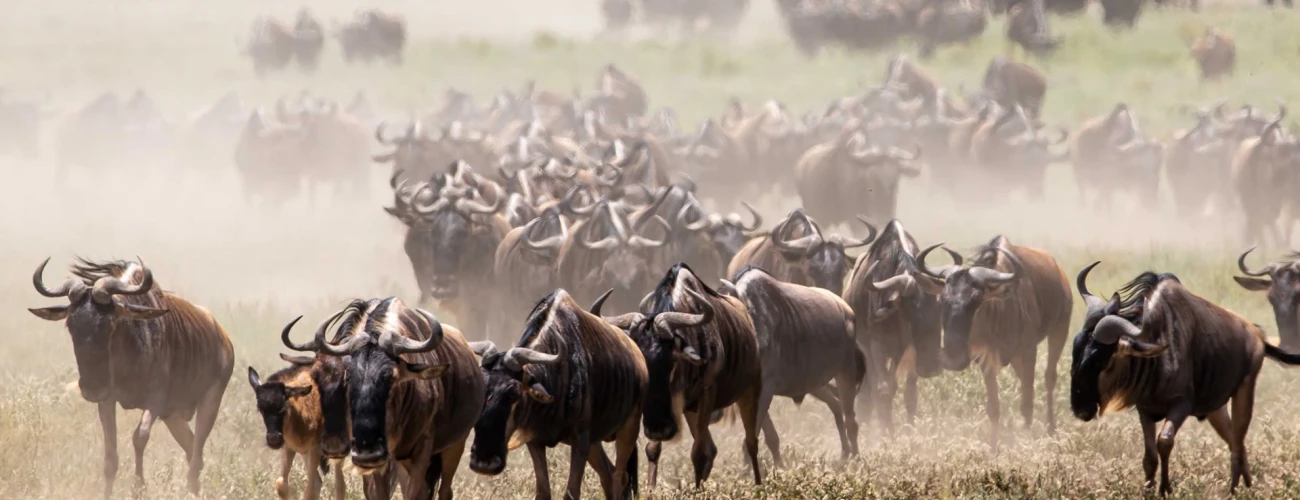
Tanzania is globally celebrated for its iconic wildlife lions, elephants, and vast herds of wildebeest dominate the imagination of most safari travelers. Yet beyond these famous species lies a hidden world of rare, elusive, and extraordinary animals that elevate a safari from memorable to truly exceptional.
For travelers seeking something beyond the ordinary, Tanzania offers the chance to track endangered species, discover unique ecosystems, and witness wildlife that few people ever see in the wild. From remote southern parks to hidden corners of the Northern Circuit, these rare animals define the deeper, more exclusive side of a safari.
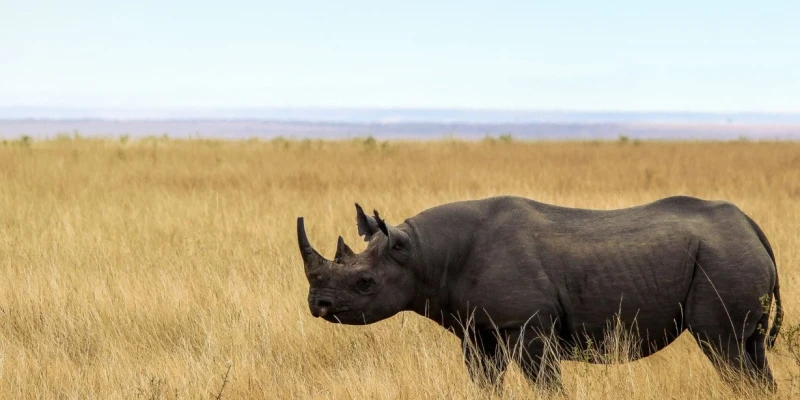
The black rhino is one of Africa’s most endangered species and among the rarest animals you can encounter on safari.
Your best chance of seeing black rhinos is inside the protected ecosystem of Ngorongoro Crater, where conservation efforts have helped stabilize a small but important population.
Critically endangered with limited populations
Highly protected and rarely seen in the wild
A key member of the legendary Big Five
Spotting a black rhino is not just a wildlife sighting it is a rare privilege and a symbol of successful conservation.
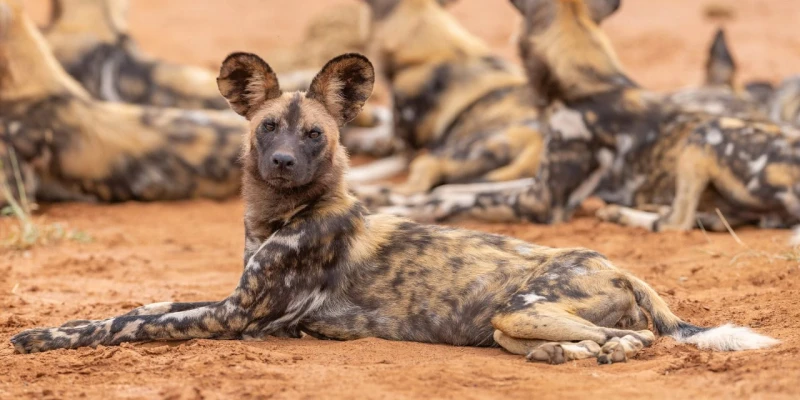
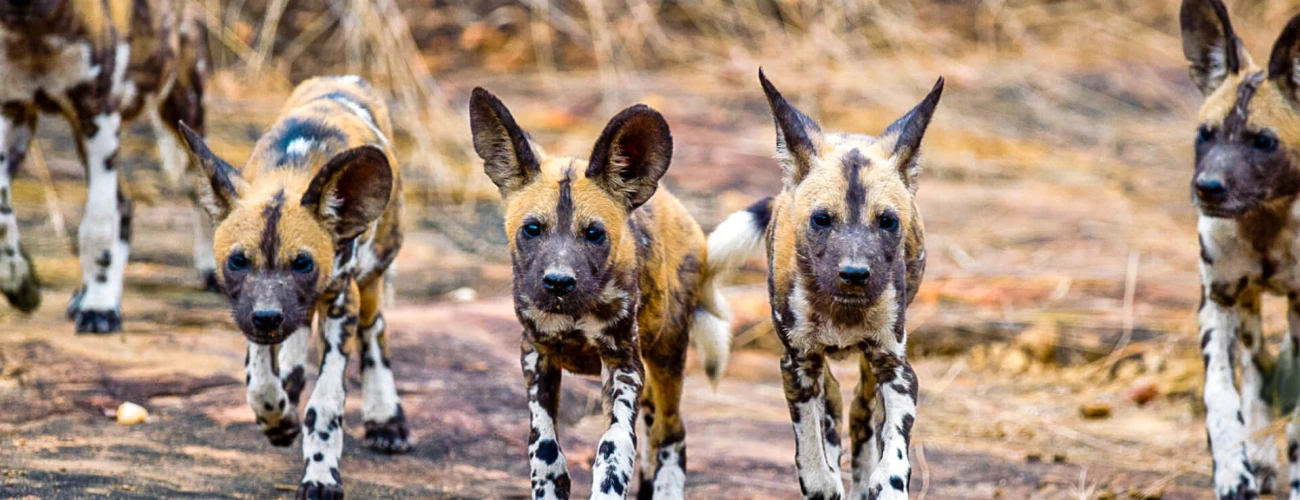
The African wild dog, also known as the painted wolf, is one of the most fascinating yet endangered predators in Africa.
They are most commonly found in southern Tanzania, especially in Nyerere National Park and Ruaha National Park.
Highly social and intelligent hunters
Unique coat patterns no two individuals look the same
Extremely rare due to habitat loss and disease
Watching a pack coordinate a hunt is one of the most thrilling and rare wildlife experiences in Africa.
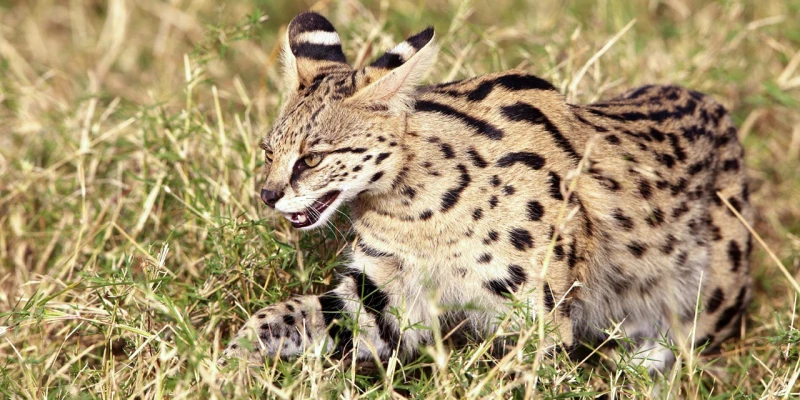
The serval is a medium-sized wild cat known for its long legs, spotted coat, and incredible hunting skills.
Open grasslands in Serengeti National Park and the Ngorongoro Conservation Area provide the best opportunities.
Rarely seen due to its shy and solitary nature
Exceptional jumping ability when hunting birds
Moves silently through tall grass, making sightings rare
Spotting a serval requires patience and a bit of luck but the reward is unforgettable.
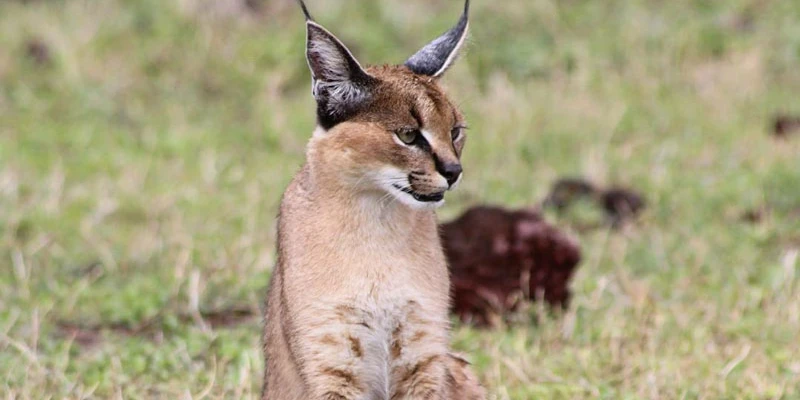
The caracal is one of Africa’s most elusive predators, instantly recognizable by its black-tufted ears.
Occasionally seen in the remote areas of the Serengeti and Tarangire ecosystems, though sightings are extremely rare.
Nocturnal and highly secretive
Incredible agility, capable of leaping into the air to catch birds
Rarely photographed in the wild
A caracal sighting is considered a once-in-a-lifetime moment, even for experienced safari guides.
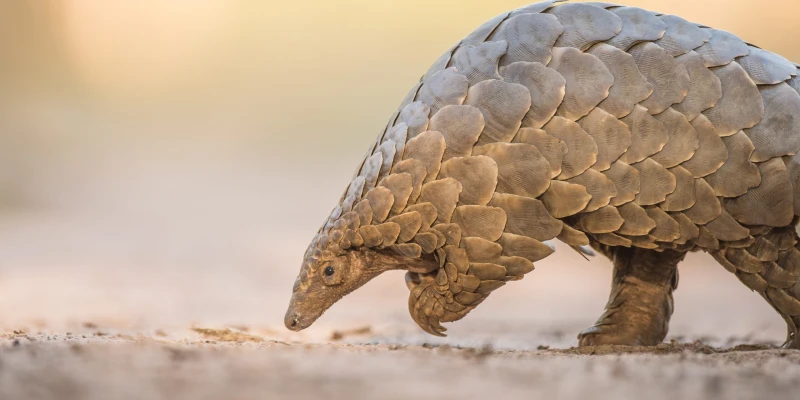
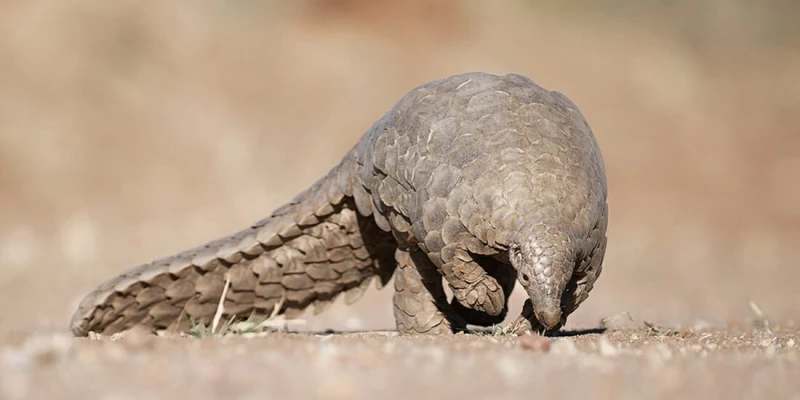
The pangolin is perhaps the rarest and most mysterious animal you can encounter on safari. Covered in protective scales, it is rarely seen due to its nocturnal and secretive behavior.
Very rare, but occasional sightings occur in remote regions of southern Tanzania, particularly in Ruaha National Park.
Extremely elusive and nocturnal
Rolls into a ball when threatened
One of the most endangered mammals globally
Seeing a pangolin in the wild is an extraordinary and unforgettable experience.
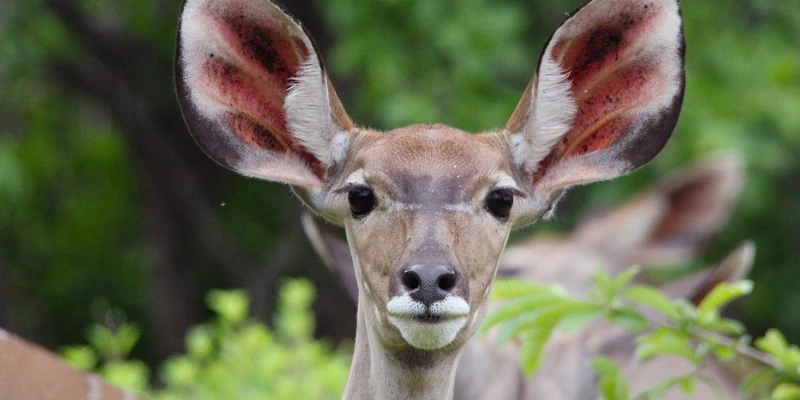
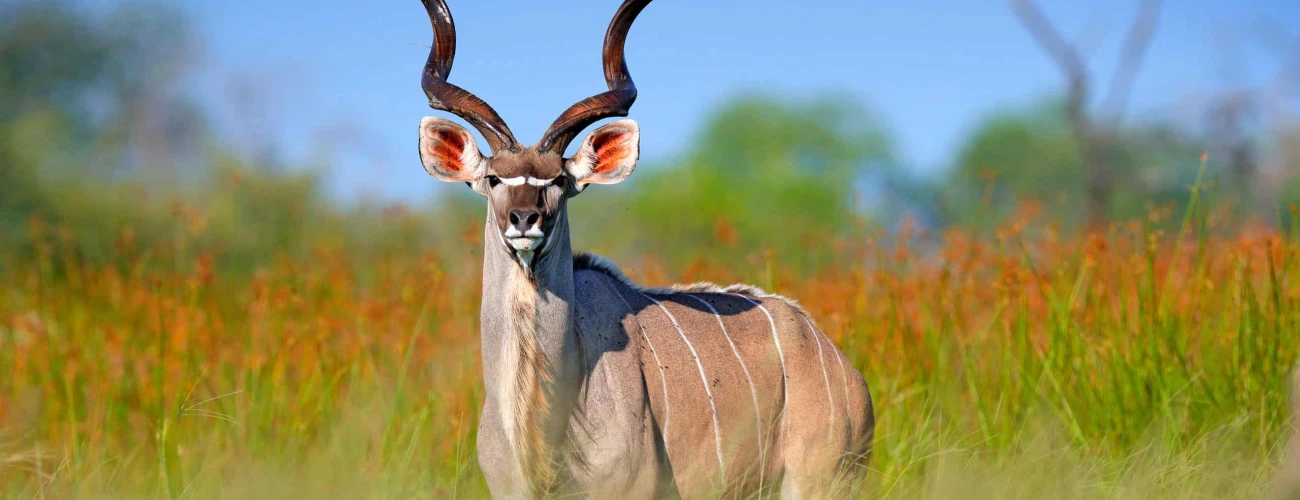
The lesser kudu is a beautiful antelope known for its slender build and spiral horns.
Dry bushlands of Tarangire National Park and parts of southern Tanzania.
Shy and difficult to approach
Distinctive striped body and elegant appearance
Often hides in dense vegetation
This species adds a sense of refined beauty and rarity to your safari.
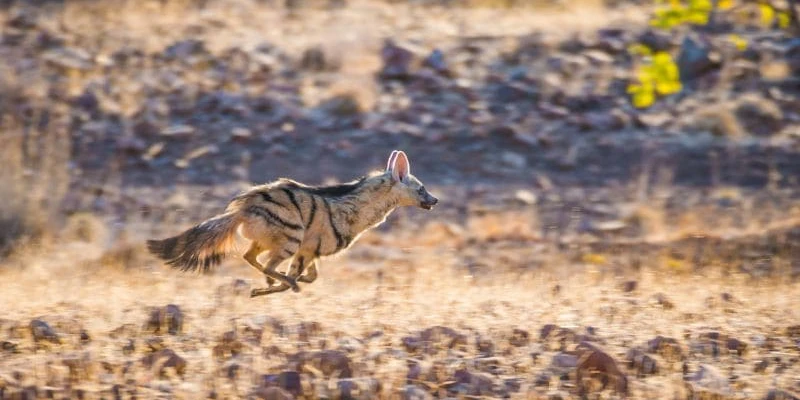
Often mistaken for a hyena, the aardwolf is a small, insect-eating mammal that feeds primarily on termites.
Occasionally seen in the Serengeti ecosystem, especially during early morning or evening drives.
Feeds almost exclusively on insects
Nocturnal and rarely seen
Unique member of the hyena family
Spotting an aardwolf reveals the hidden diversity of Tanzania’s ecosystems.
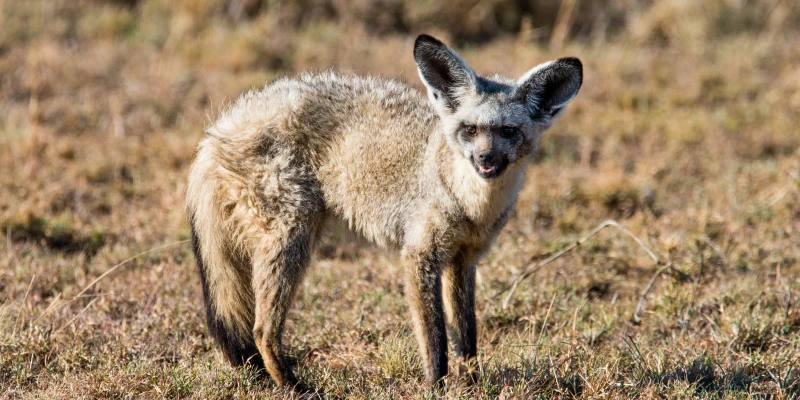
With its oversized ears and fox-like appearance, the bat-eared fox is both charming and rare.
Open plains of Serengeti National Park and surrounding areas.
Uses large ears to detect insects underground
Highly adapted to arid environments
Rarely seen compared to other predators
This small predator offers a glimpse into the lesser-known side of the savannah.
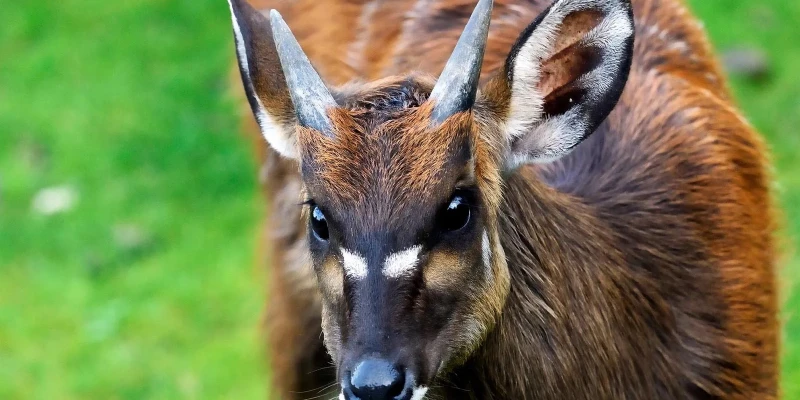
The sitatunga is a semi-aquatic antelope adapted to swampy environments.
Wetland areas near rivers and lakes, though sightings are rare across Tanzania.
Lives in marshes and reed beds
Excellent swimmer
Extremely elusive and shy
Encountering a sitatunga adds a unique wetland dimension to your safari experience.
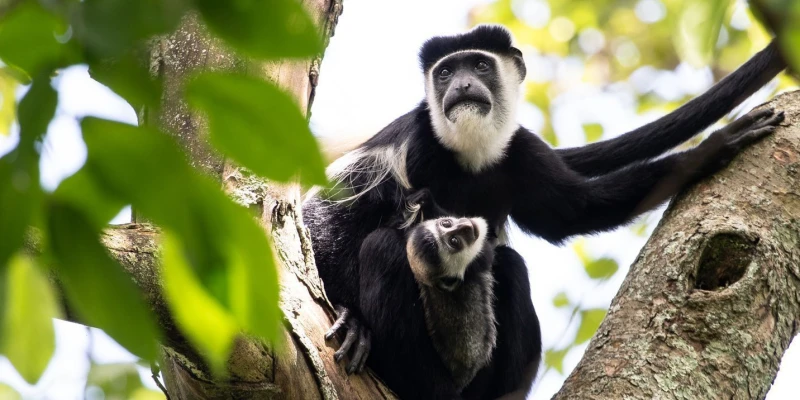
Black-and-white colobus monkeys are striking primates found in forested areas.
Best seen in Arusha National Park and Lake Manyara National Park.
Distinct black-and-white fur
Graceful movements through treetops
Unique social behavior
They bring a completely different ecosystem experience compared to open savannah wildlife.
A safari in Tanzania is not only about the Big Five ,it’s about discovering the extraordinary, the hidden, and the unexpected. From the critically endangered black rhino to the elusive pangolin, these rare animals transform a safari into a deeper, more meaningful adventure.
Look closer. Travel further. Seek the unseen.
Venture beyond the ordinary routes, explore remote landscapes, and trust experienced guides who know where to find these hidden gems.
Start your journey with Deeper Serengeti Safaris and unlock Tanzania’s rarest wildlife experiences where every sighting becomes a story worth telling.