
 25 secondsm
Rare Animals You Can Spot in Tanzania Safaris
Tanzania is globally celebrated for its iconic wildlife lions, elephants, and va…
Read
Planning your first safari in Tanzania is an exciting step toward experiencing one of the world’s most extraordinary wildlife destinations. At the same time, it is perfectly natural for first-time travellers to have questions about safety. The idea of sleeping in a tent near wild animals or exploring remote national parks far from cities can create a sense of uncertainty.
In reality, safaris in Tanzania are remarkably safe when organised through professional and experienced operators. The country has a long-established safari industry with strict safety standards, highly trained guides, well-managed national parks, and lodges designed specifically to host guests safely in the wilderness.
When you travel with reputable safari professionals and follow basic guidelines, the African wilderness becomes a place of fascination and adventure rather than concern.
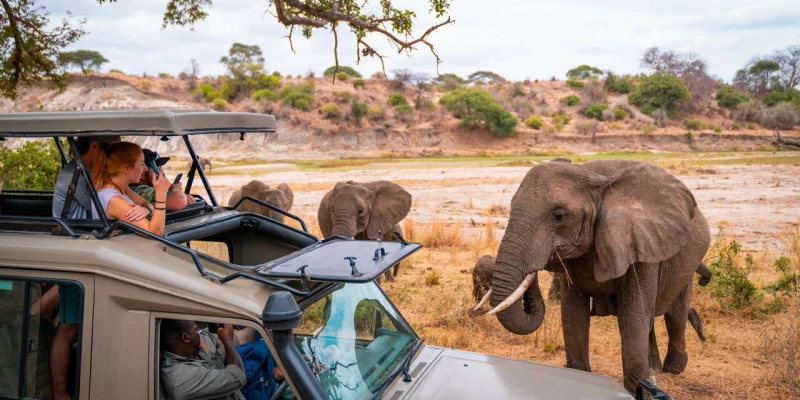
One of the most common concerns among travellers is whether it is safe to explore areas where wild animals roam freely. Fortunately, safari activities in Tanzania are conducted with safety as the top priority.
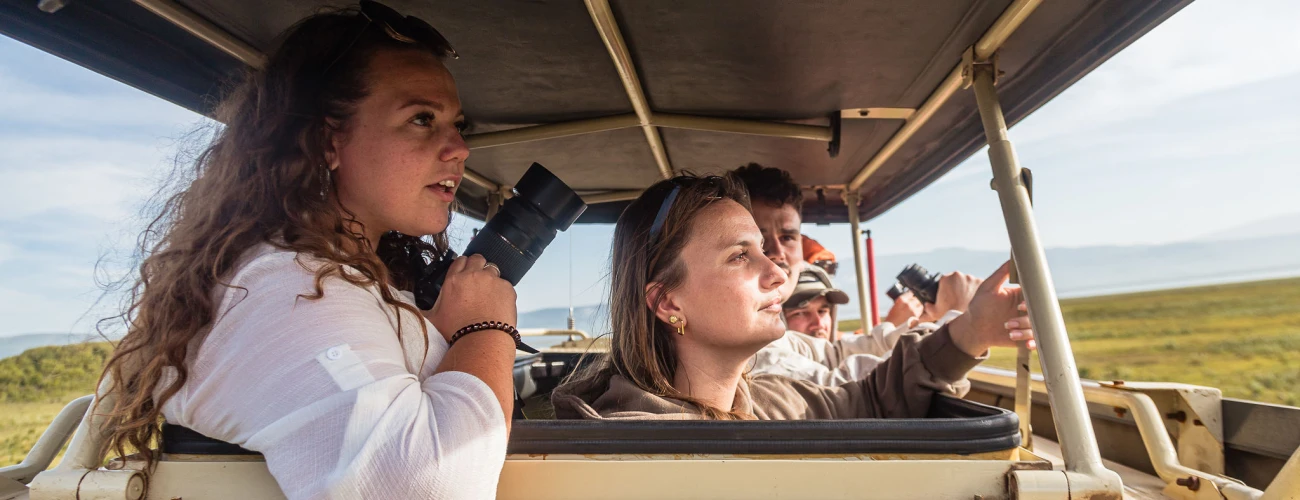
Game drives are the most popular safari activity and are extremely safe when conducted by trained guides. In Tanzania’s famous wildlife destinations such as Serengeti National Park and Tarangire National Park, professional safari guides spend years studying wildlife behaviour and the ecosystems they operate in.
These guides know how to read subtle signs in the bush, including animal body language and environmental cues. This expertise allows them to position vehicles safely while still providing guests with incredible close-up wildlife encounters.
Wild animals in well-established safari parks are also accustomed to the presence of vehicles. They generally perceive a safari vehicle as a single, non-threatening object. As long as guests remain seated, avoid sudden movements, and follow their guide’s instructions, wildlife interactions remain safe and respectful.
Safari vehicles are equipped with communication radios and emergency equipment, and guides are trained to respond quickly to any situation.
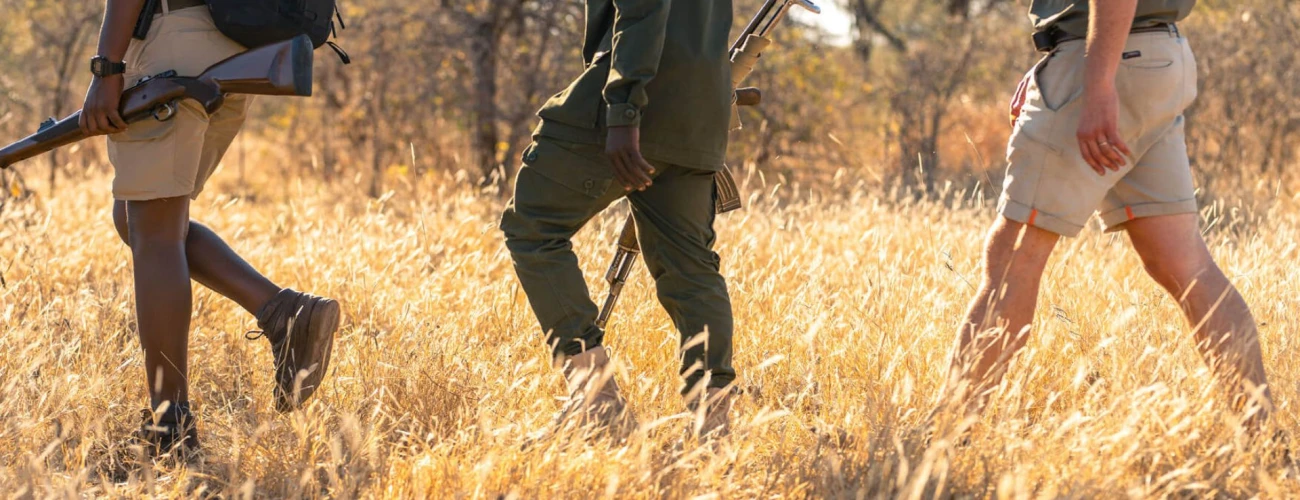
Walking safaris provide a more intimate way to experience the African wilderness. These guided walks allow travellers to explore the smaller details of nature from animal tracks and plants to birds and insects.
Before each walk, guides conduct a full safety briefing explaining how to move quietly, remain aware of surroundings, and follow instructions. Walking safaris are conducted in small groups and routes are carefully chosen to minimise risk.
Professional guides often carry safety equipment during these walks as a precaution, though it is extremely rare for it to ever be needed. By simply following the guide’s lead, guests can safely enjoy the thrilling experience of exploring the bush on foot.
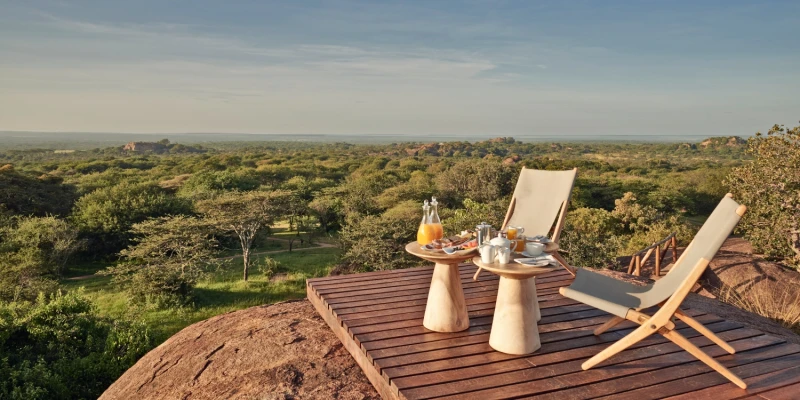
Many travellers also wonder about staying overnight in the middle of wildlife areas. Safari lodges and camps in Tanzania are specifically designed to offer an immersive wilderness experience while maintaining high levels of safety and comfort.
Reputable safari camps are located in protected areas that are known for both exceptional wildlife viewing and stable security conditions. National parks such as Ngorongoro Crater and the Serengeti ecosystem are among the most professionally managed wildlife destinations in Africa.
These remote locations provide a peaceful and secure environment where travellers can enjoy nature without concerns related to busy urban areas.
Safari lodges operate with trained staff available at all times. During the day, guides and lodge teams assist guests with activities and logistics. At night, security personnel monitor the property and ensure guests move safely within the camp.
Guests are never expected to walk alone after dark. Lodge staff will escort visitors between the dining areas and their rooms to ensure complete safety during the evening hours.
Safari camps in Tanzania can either be fenced or unfenced depending on the type of experience they offer.
Fenced camps provide an additional physical barrier that prevents large wildlife from entering guest areas. These camps can offer extra peace of mind for families or first-time safari travellers.
Unfenced camps, on the other hand, create a more immersive wilderness experience. Guests might hear lions calling in the distance or elephants moving through the bush at night. Despite this closeness to nature, strict safety procedures are always followed, and lodge staff accompany guests after dark to ensure their security.

Health preparation is an important part of planning any international trip, including a safari in Tanzania. With proper precautions, most travellers experience a smooth and comfortable journey.
Before travelling, visitors should consult a medical professional regarding recommended vaccinations and malaria prevention. Malaria risk exists in some safari areas, but preventive medication and simple protective measures such as mosquito repellent and long sleeves in the evening greatly reduce the risk.
Many safari lodges in Tanzania are connected with emergency evacuation services, including air ambulance providers. In the unlikely event of a medical emergency, evacuation to major hospitals can be arranged quickly.
Travel insurance is strongly recommended for any safari trip, providing peace of mind and coverage for unexpected situations.

Following a few simple guidelines ensures a safe and enjoyable safari experience.
• Always listen carefully to your safari guide and follow instructions.
• Never walk outside the lodge or camp at night without a staff escort.
• Remain seated during game drives unless your guide says otherwise.
• Avoid loud noises or sudden movements around wildlife.
• Wear neutral-coloured clothing suitable for the bush environment.
• Keep tent doors and lodge room doors closed when instructed.
• Carry necessary medications and travel insurance.
These simple precautions allow travellers to enjoy wildlife encounters safely while respecting the natural environment.
A safari in Tanzania is one of the most rewarding travel experiences in the world, and it is also far safer than many first-time visitors imagine. With professional guides, carefully managed national parks, secure lodges, and well-established safety procedures, Tanzania offers an environment where travellers can explore the wild with confidence.
From the golden plains of the Serengeti to the dramatic landscapes of the Ngorongoro Crater, the country invites visitors to witness wildlife in its purest form. By travelling responsibly and choosing experienced safari operators, you can fully embrace the magic of the African wilderness.
With the sound of distant lions calling at dusk and the unforgettable sight of elephants crossing the savannah, your Tanzanian safari will become a journey filled with wonder, adventure, and lifelong memories.
Ready to start planning your Tanzania safari?
Expert guides and carefully designed itineraries will ensure your journey into the wild is both safe and unforgettable.