
 25 secondsm
Rare Animals You Can Spot in Tanzania Safaris
Tanzania is globally celebrated for its iconic wildlife lions, elephants, and va…
Read
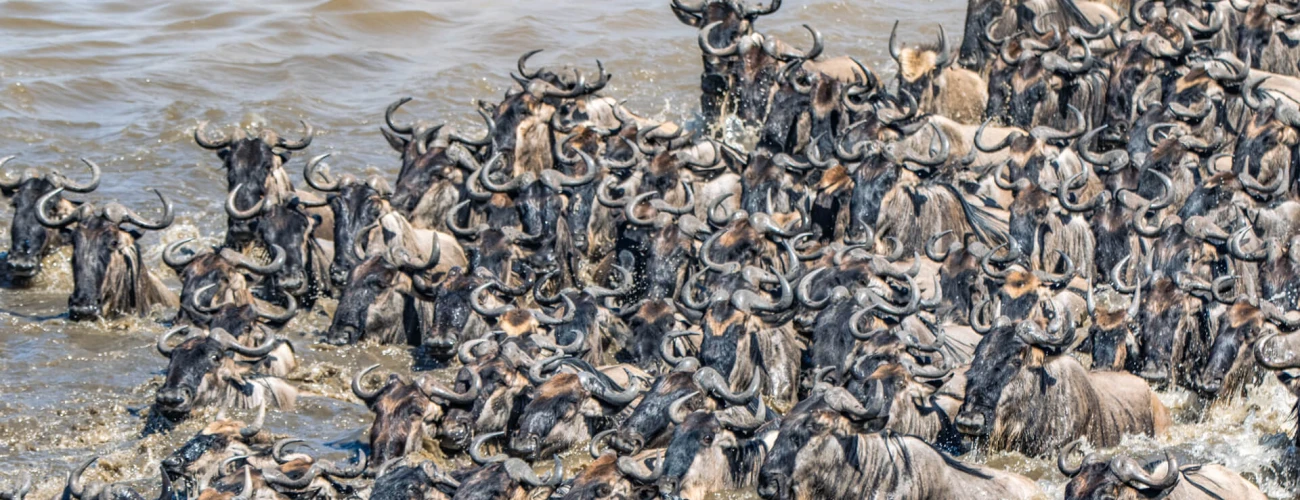
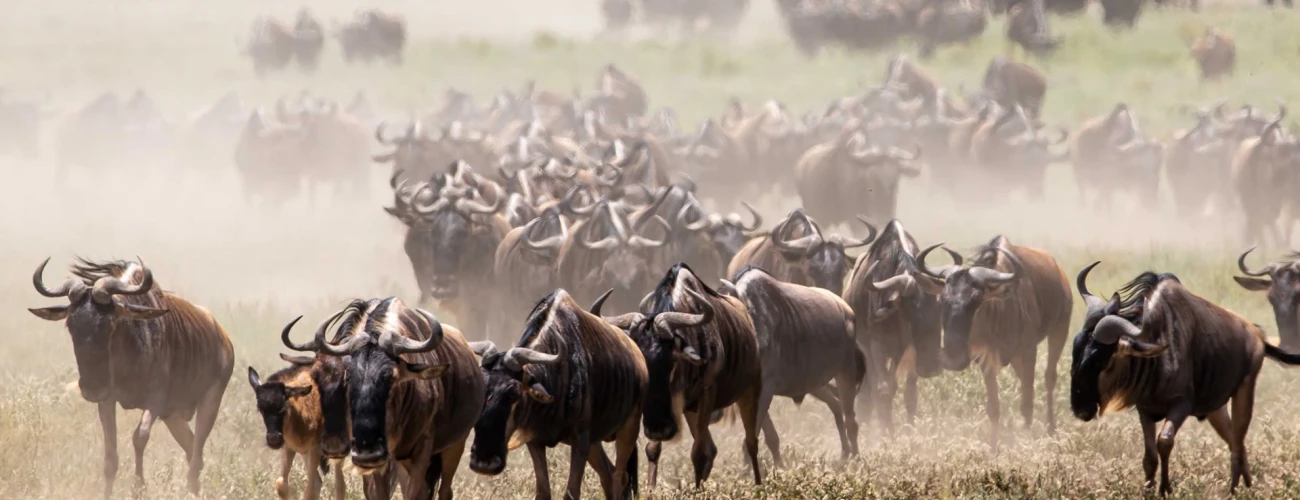
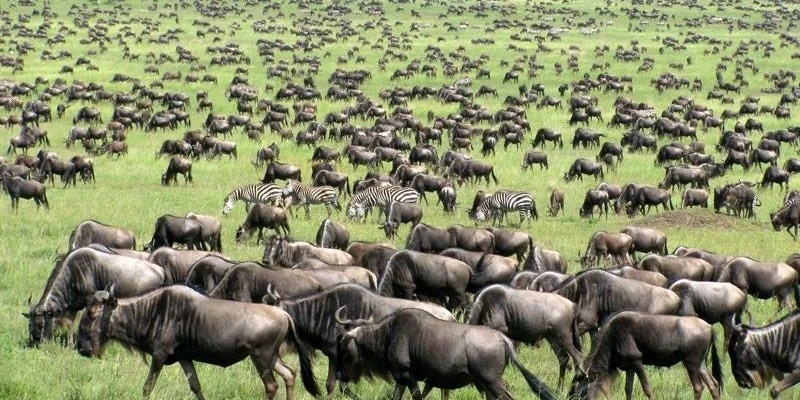
Few wildlife spectacles on Earth rival the drama and scale of the Great Migration. Across the sweeping plains of Serengeti National Park, more than two million wildebeest, zebras, and gazelles move in a continuous cycle of survival, following seasonal rains and fresh grazing lands.
Often described as the greatest wildlife movement on the planet, the migration unfolds throughout the year across different regions of the Serengeti ecosystem. For travelers planning a safari, understanding where to see the Great Migration in Serengeti depends largely on the time of year and the movement of the herds.
From the calving grounds of the southern plains to the dramatic river crossings in the north, each stage of the migration reveals a different chapter in this remarkable natural story.
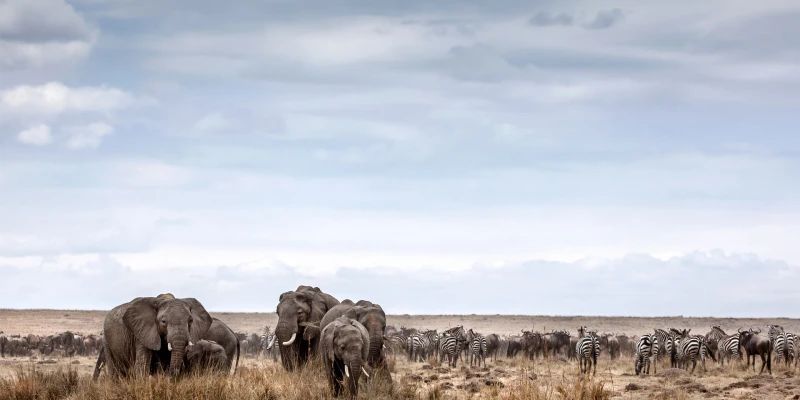
The Great Migration is driven by one simple but powerful force the search for fresh grass and water. As seasonal rains shift across East Africa, enormous herds travel across the Serengeti in a circular route covering hundreds of kilometers.
At its peak, the migration includes:
Over 1.5 million wildebeest
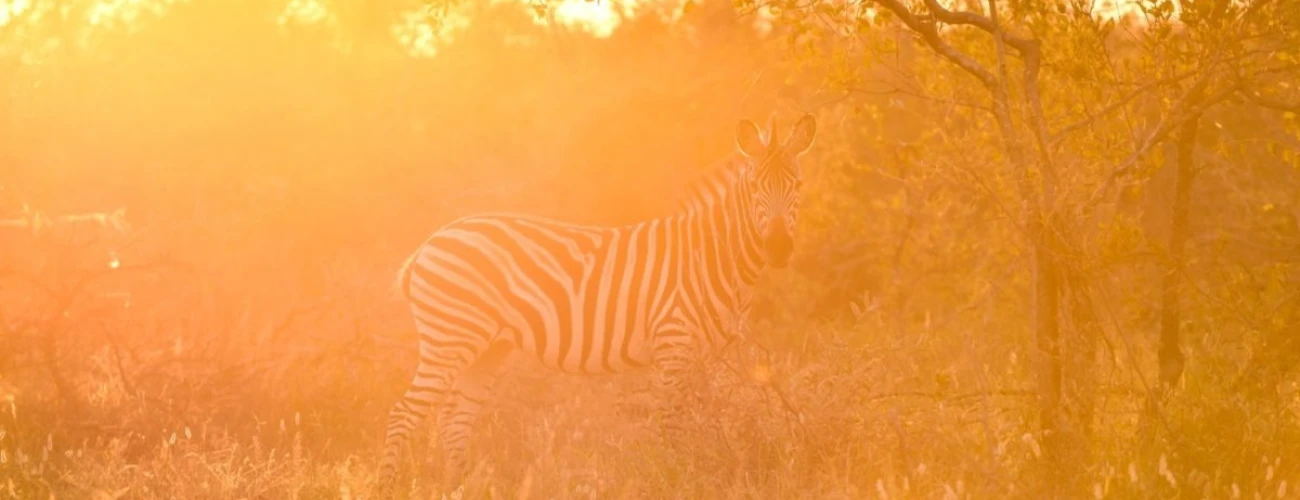
Nearly 300,000 zebras
More than 400,000 gazelles
These massive herds attract some of Africa’s most powerful predators including lions, cheetahs, leopards, and hyenas. As a result, the migration is not only a story of movement but also a constant battle for survival.
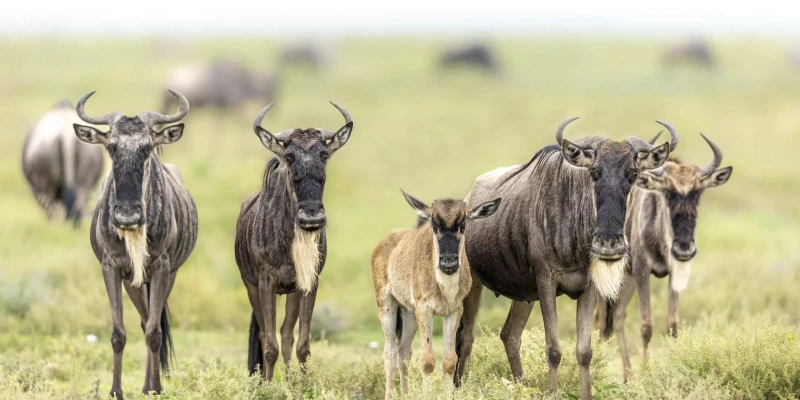
Between January and March, the migration gathers on the nutrient-rich short grass plains of the southern Serengeti. One of the most famous areas for this stage of the migration is the Ndutu Region.
This period is known as the calving season, when hundreds of thousands of wildebeest calves are born within just a few weeks. The open plains provide ideal conditions for grazing and visibility, allowing mothers to detect predators from a distance.
For safari travelers, this season offers exceptional wildlife experiences:
Vast herds covering the plains
Thousands of newborn calves
High predator activity as lions, cheetahs, and hyenas hunt vulnerable young animals
The southern Serengeti is also one of the best places in Africa to observe cheetahs in action.
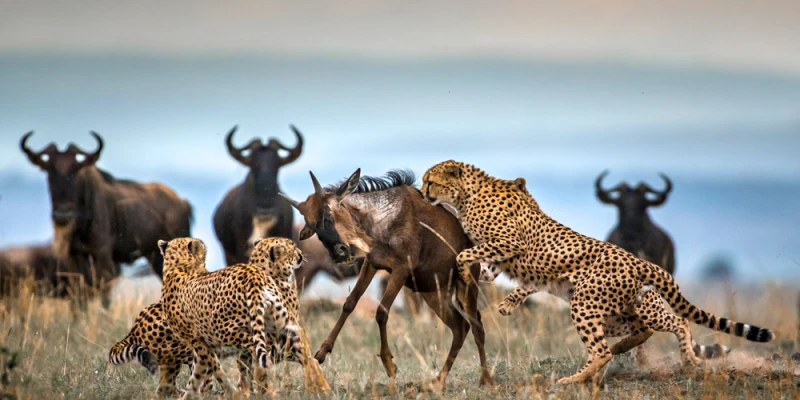
From April to June, the herds begin their journey northward through the central region of Serengeti National Park.
This area, commonly known as the Seronera Valley, is famous for its permanent water sources and year-round wildlife populations. Even when the migration passes through, large numbers of resident predators remain active.
Here, visitors can witness:
Long columns of wildebeest moving across open plains
Large prides of lions following the herds
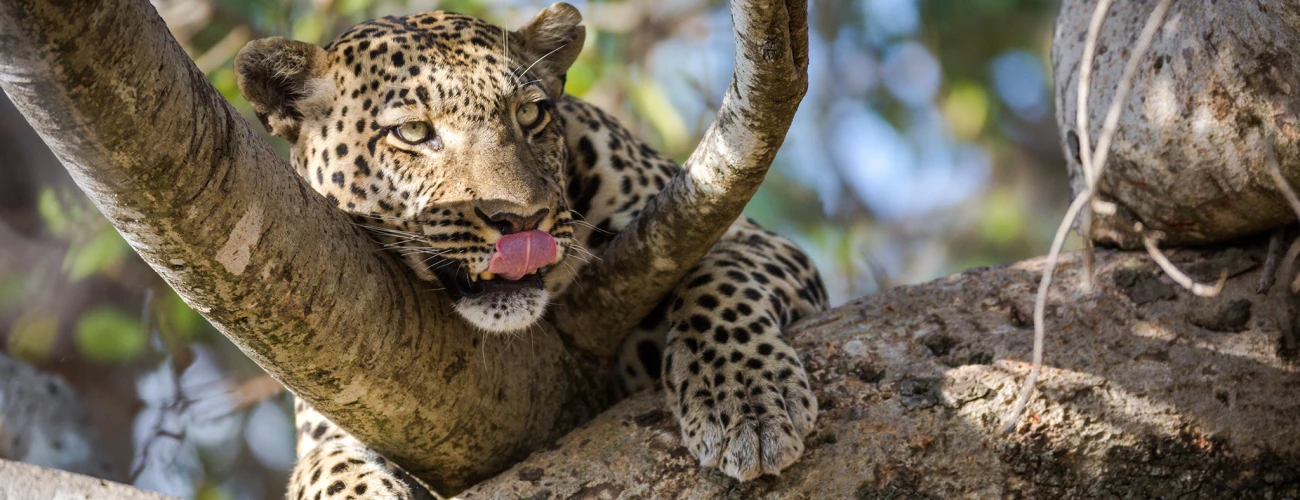
Leopards resting in acacia trees along riverbanks
Central Serengeti is often considered one of the best areas for consistent game viewing throughout the year.
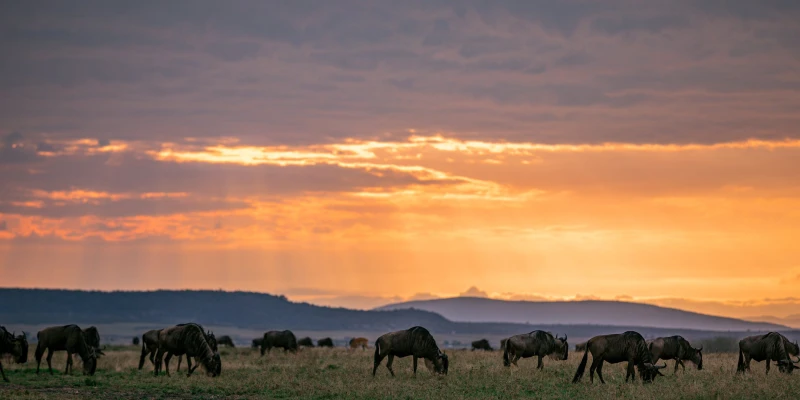
As the dry season approaches in May and June, the migration moves toward the western part of the Serengeti known as the Western Corridor.
This region is dominated by the Grumeti River, where the herds face one of their first major natural obstacles.
Thousands of wildebeest gather along the riverbanks before attempting to cross waters filled with large Nile crocodiles. These crossings are dramatic and unpredictable, offering some of the most intense wildlife encounters in the Serengeti.
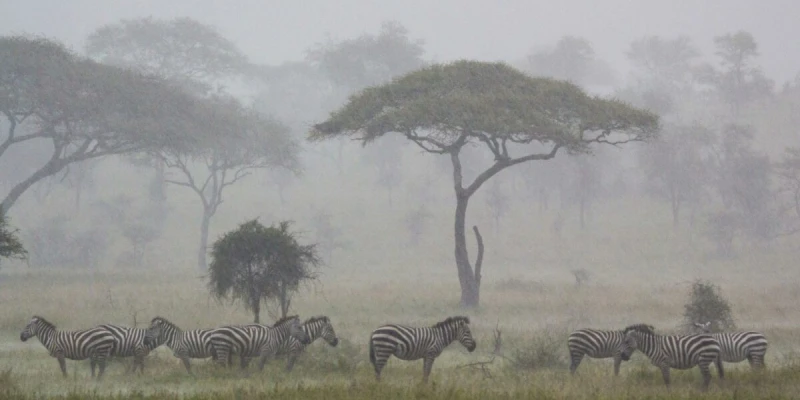
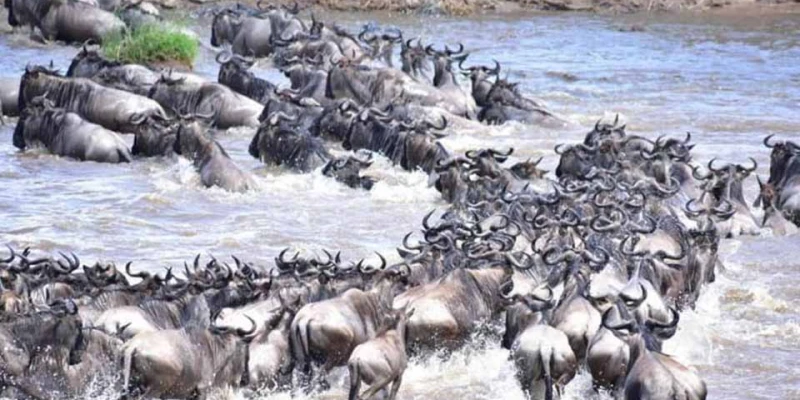
Between July and October, the migration reaches the northern region of the Serengeti. This is where one of the most iconic wildlife events in the world takes place the crossing of the Mara River.
These crossings are famous for their breathtaking intensity. Massive herds gather along steep riverbanks, hesitating for hours or even days before suddenly plunging into the water.
During these dramatic moments:
Crocodiles wait beneath the surface
Strong currents sweep animals downstream
Predators patrol the riverbanks
For photographers and wildlife enthusiasts, the Mara River crossings represent one of the most thrilling safari experiences on the planet.
As the short rains arrive in November and December, the migration begins moving south again toward the plains of the Serengeti.
The herds gradually return to the southern grasslands, where the cycle begins again with the next calving season.
This continuous movement ensures that the Serengeti remains alive with wildlife activity throughout the year.
The migration moves constantly, but each region offers incredible experiences at different times of the year.
January – March: Southern Serengeti and Ndutu (calving season)
April – June: Central Serengeti and Western Corridor
July – October: Northern Serengeti and Mara River crossings
November – December: Herds return to the southern plains
With proper planning, travelers can experience different stages of this extraordinary journey.
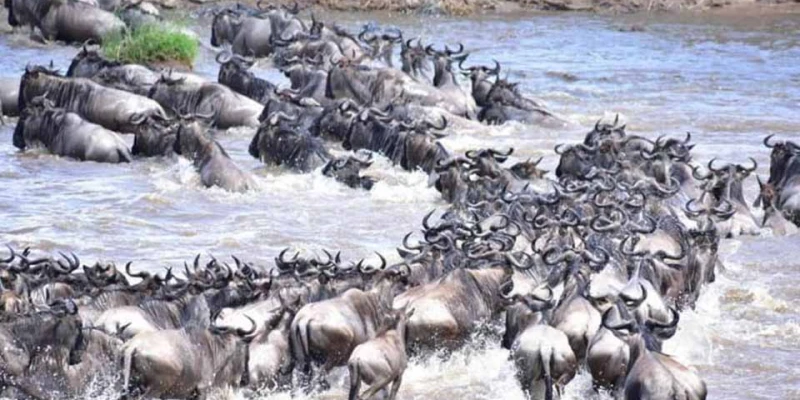
The Great Migration is more than a wildlife event it is a timeless journey shaped by instinct, survival, and the rhythms of nature. From newborn calves taking their first steps to massive herds braving crocodile-filled rivers, every stage of the migration reveals the raw beauty of the African wilderness.
For travelers seeking one of the most remarkable safari experiences on Earth, exploring the legendary landscapes of Serengeti National Park offers a front-row seat to nature’s greatest wildlife spectacle.
Ready to witness the Great Migration in Serengeti?
Plan your safari around the movement of the herds and experience the unforgettable drama of Africa’s most iconic wildlife journey.