
Deeper serengeti safaris uses cookies to enhance your experience. By clicking 'Accept All' you agree to analytical, advertising, and social media cookies. Read our Privacy Policy.
Powered by YekrinaSoftwares
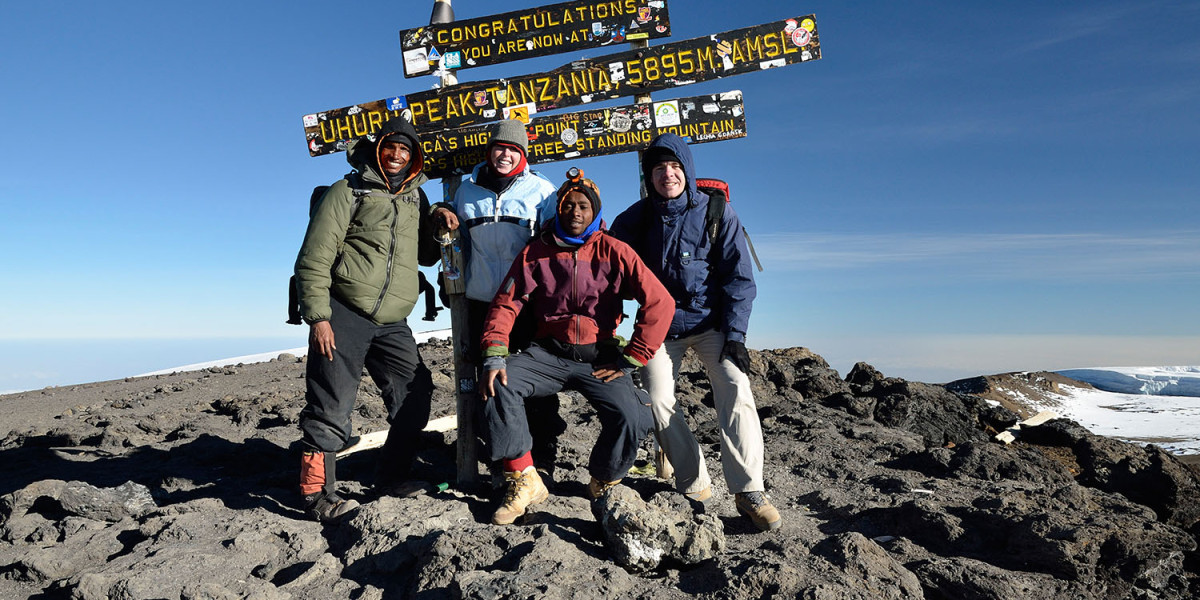
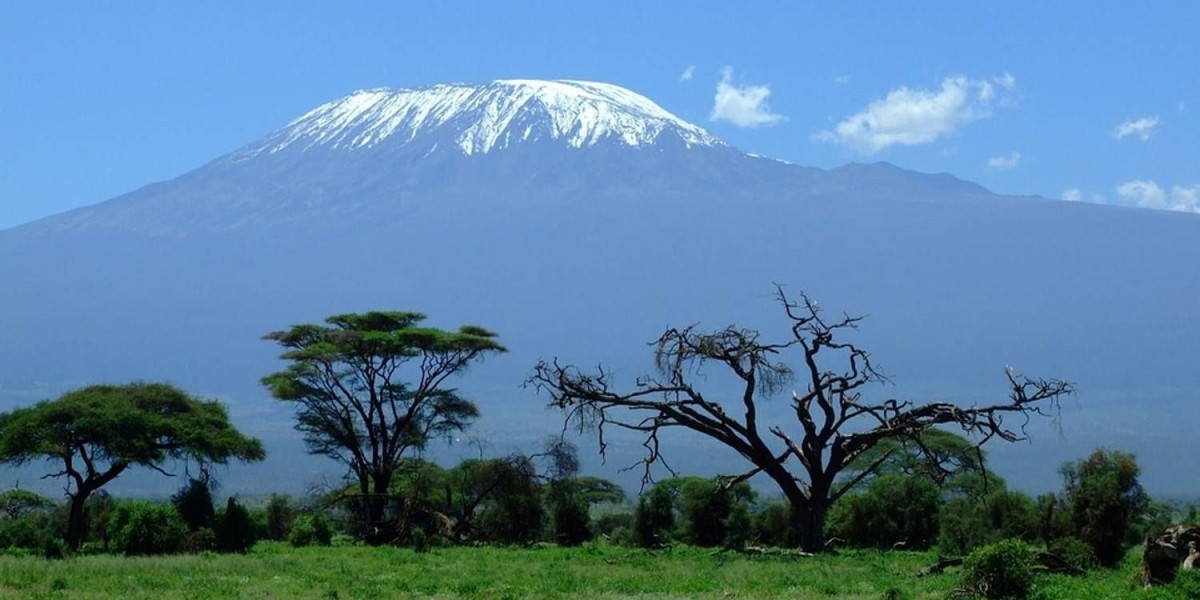
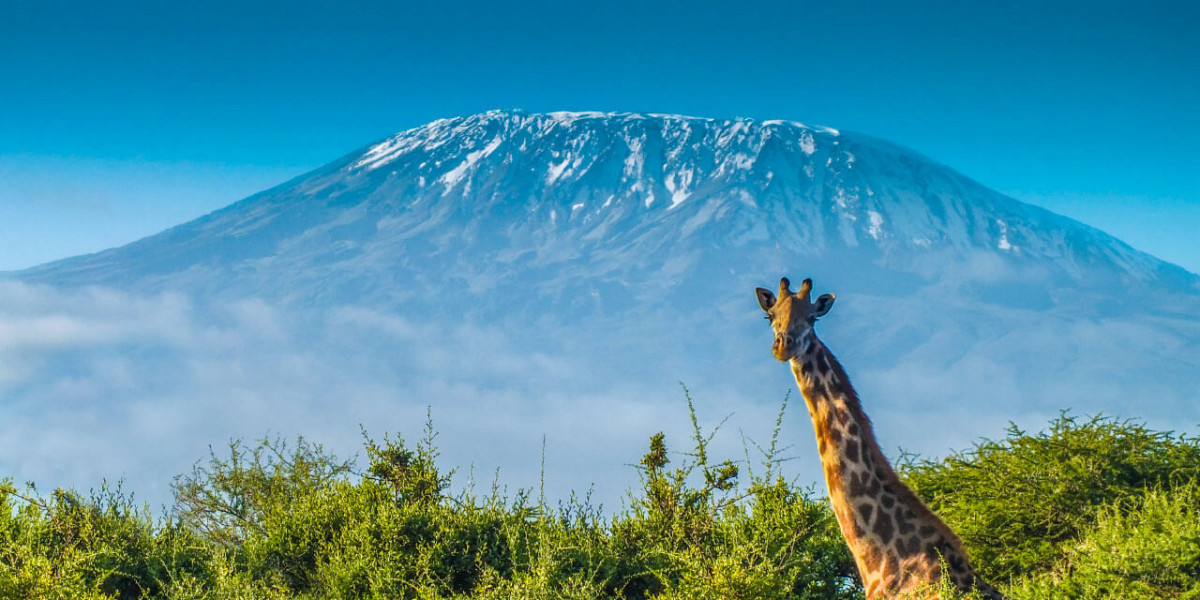
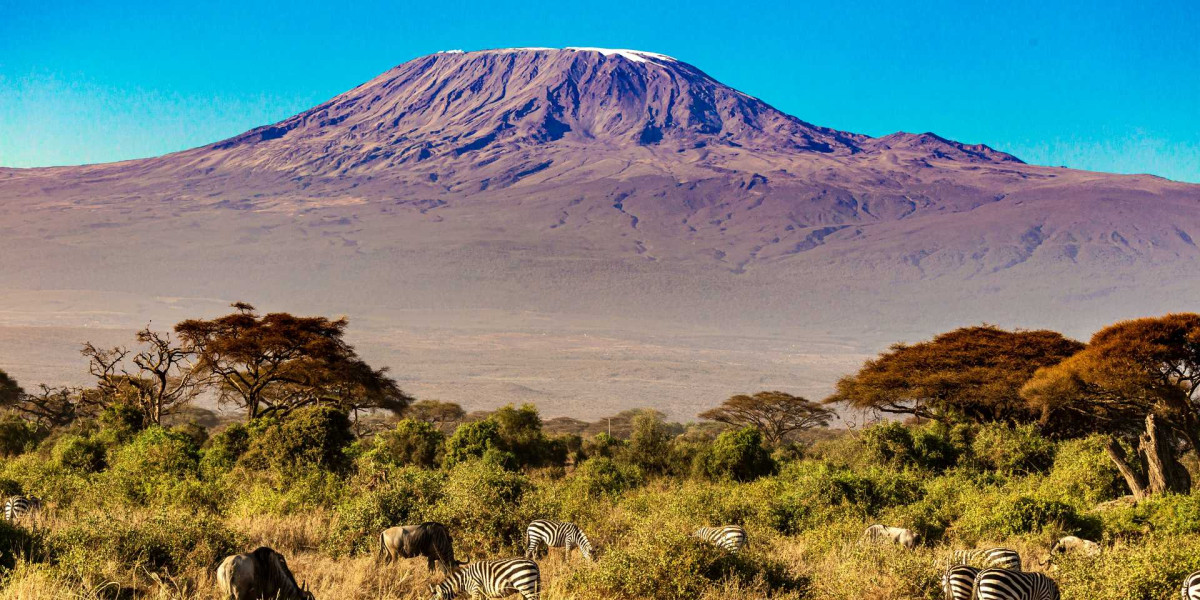
Kilimanjaro National Park is one of Africa’s most iconic destinations, home to the legendary Mount Kilimanjaro the highest peak on the continent and the tallest free-standing mountain in the world. Rising to 5,895 meters (19,341 feet), Kilimanjaro is not just a mountain; it is a symbol of adventure, endurance, and natural beauty.
A UNESCO World Heritage Site, the park offers a once-in-a-lifetime trekking experience through diverse ecosystems, breathtaking landscapes, and dramatic altitude changes, culminating at Uhuru Peak, the Roof of Africa.
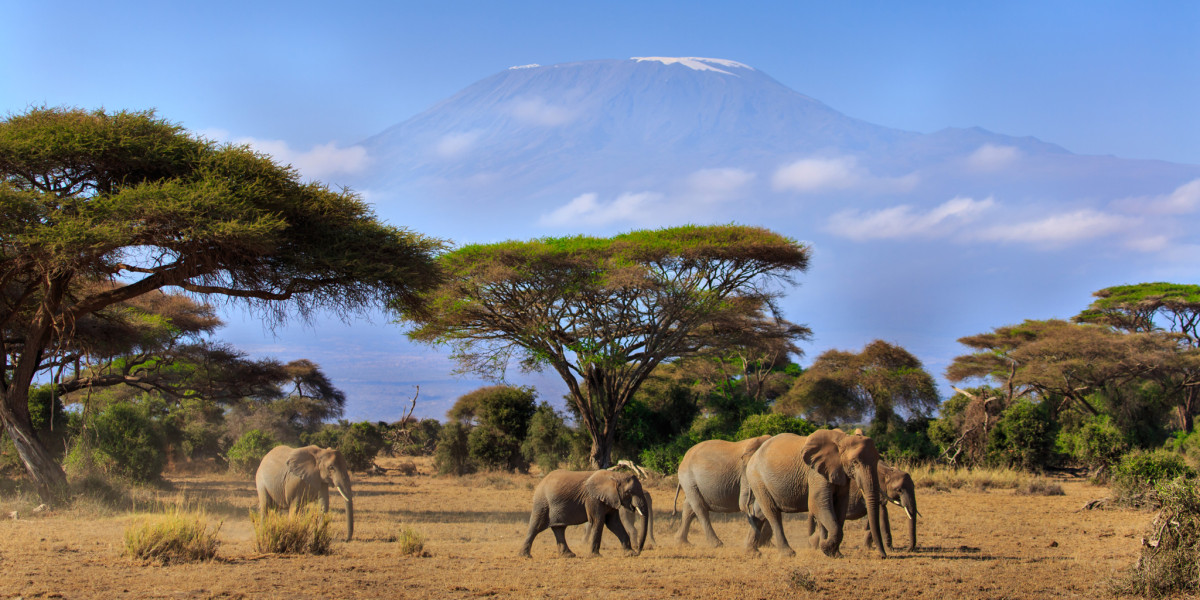
Kilimanjaro National Park is located in northern Tanzania, near the towns of Moshi and Arusha. The park protects the entire mountain above the cultivated foothills, covering an area of approximately 1,688 square kilometers.
The landscape of Kilimanjaro is incredibly diverse, featuring five distinct ecological zones:
Rainforest Zone: Dense tropical forest with rich biodiversity
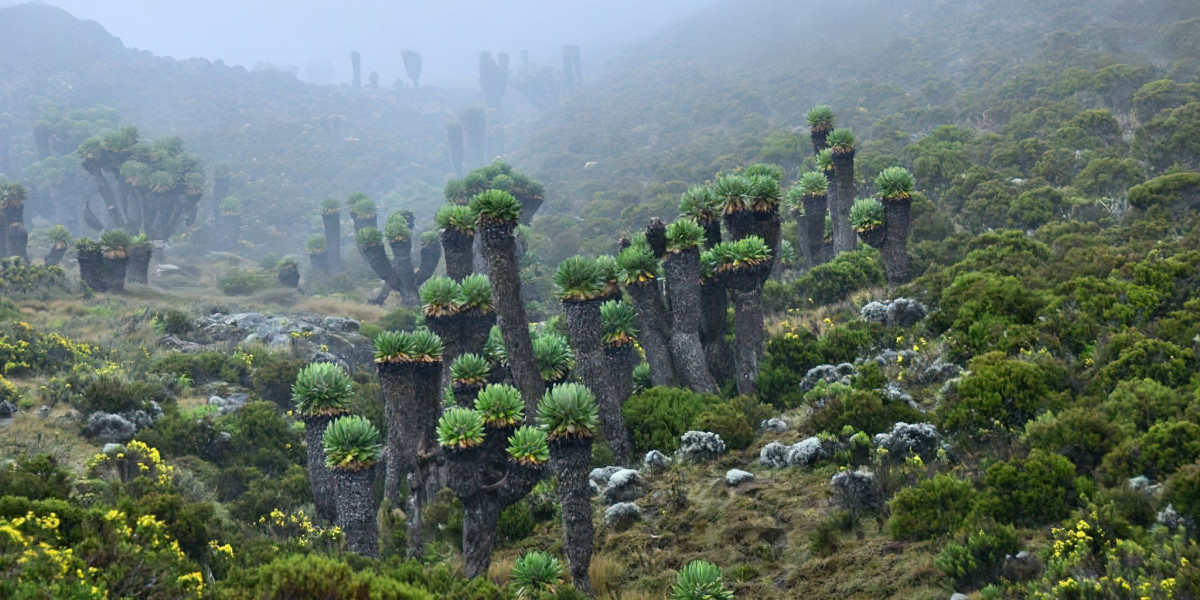
Moorland Zone: Open landscapes with giant heather and unique plant species
Alpine Desert: Harsh, dry terrain with volcanic rock and minimal vegetation
Arctic Zone: Ice fields, glaciers, and snow at the summit
Cultivated Zone (outside park): Local farms and Chagga communities
As climbers ascend, they experience a dramatic transition in scenery, climate, and vegetation making Kilimanjaro one of the most unique trekking destinations in the world.
Although Kilimanjaro is best known for trekking, the lower slopes of the park are rich in wildlife, particularly in the rainforest zone.
Wildlife highlights include:
Elephants, buffaloes, and occasionally leopards
Blue monkeys, colobus monkeys, and bushbabies
Duikers and other small forest antelopes
A wide variety of bird species, including turacos and hornbills
Wildlife sightings are most common at lower elevations, where the dense forest provides food and shelter.
Kilimanjaro is a non-technical climb, meaning no mountaineering equipment is required, but it is still physically demanding due to altitude.
Popular trekking routes include:
Lemosho Route – Scenic, gradual, and ideal for acclimatization
Machame Route – Popular and challenging with dramatic landscapes
Marangu Route – The only route with hut accommodation
Rongai Route – Remote and less crowded, approaching from the north
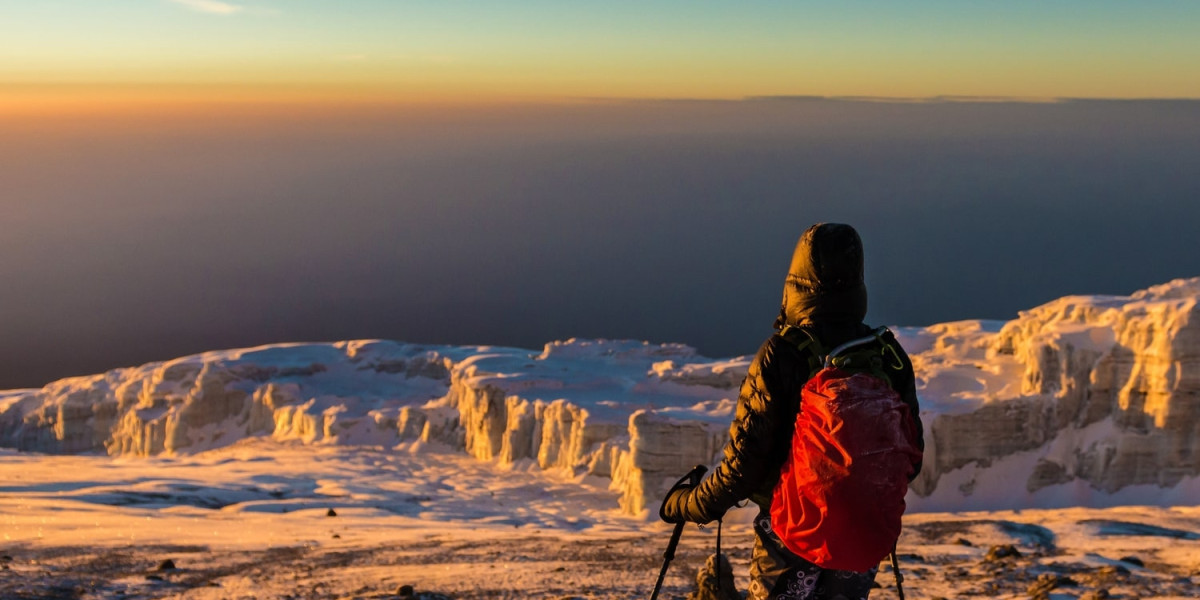
Treks typically take between 5 to 9 days, depending on the route. The journey to Uhuru Peak involves a midnight summit push, where climbers reach the top at sunrise one of the most unforgettable moments of the entire experience.
Accommodation on Kilimanjaro depends on the chosen route:
Mountain Camping: Most routes use tents at designated campsites
Hut Accommodation: Available only on the Marangu Route
Pre- and Post-Climb Lodges: Located in Moshi or Arusha, ranging from budget to luxury
These options ensure climbers are well-rested before and after their trek.
Kilimanjaro is one of the most accessible national parks in Tanzania.
By Air:
Arrival via Kilimanjaro International Airport (JRO)
Short transfer
By Road:
Approximately 1–2 hours from Moshi
Around 2–3 hours from Arusha
The park has several entry gates depending on the route chosen, including Machame Gate, Londorossi Gate, and Marangu Gate.
A journey through Kilimanjaro National Park is more than just a climb it is a transformative adventure. From walking through ancient rainforests to standing above the clouds at the summit, every step reveals a new layer of beauty and challenge.
Reaching Uhuru Peak is a moment of triumph, where determination meets breathtaking views and the vast African horizon stretches endlessly below.
Take on the challenge, embrace the journey, and experience the unforgettable adventure of climbing Mount Kilimanjaro.